Singapore targets at least 40% reduction in emissions from aviation fuels
Singapore will only purchase sustainable aviation fuel (SAF) that delivers at least a 40% reduction in lifecycle greenhouse gas emissions compared with conventional jet fuel, as part of efforts to ensure tangible environmental benefits from its aviation emissions reduction roadmap.
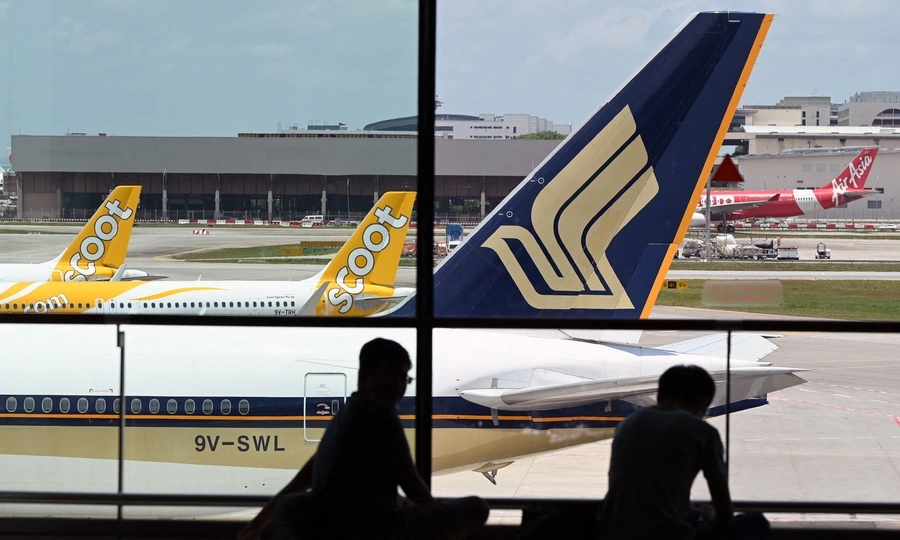
Singapore aims to cut emissions from aviation fuels by at least 40%, according to new criteria unveiled by the Civil Aviation Authority of Singapore (CAAS) on November 5. Daniel Ng, CAAS's chief sustainability officer, described the target as a "modest starting point" that highlights the nation's dedication to ensuring the transition to green fuels yields real environmental benefits.
The 40% reduction must be derived from Sustainable Aviation Fuel (SAF) that meets the Carbon Offsetting and Reduction Scheme for International Aviation (CORSIA). This is a globally recognized framework set up by the International Civil Aviation Organization (ICAO) to tackle carbon emissions from aviation. CAAS says the 40% reduction is based on benchmarks from other regions and surpasses the minimum 10% requirement under CORSIA.
The criteria have been shared with 15 potential suppliers and makers of Sustainable Aviation Fuel (SAF) prior to the first tender. Singapore Sustainable Aviation Fuel Company (SAFCo), wholly owned by CAAS, is set to launch the first tender by mid-December, with blended fuel deliveries commencing in June 2027. The company's mission is to handle the procurement and distribution of sustainable aviation fuel for Singapore's aviation hub.
Singapore plans to have SAF make up 1% of total jet fuel consumption at Changi and Seletar airports by 2027. This figure is expected to increase to 3-5% by 2030.
Written by urgent.news from VnExpress International's reporting — not their text. Machine-written — may contain errors; check the original before relying on it.
This story
This is one outlet's version. Read the fullest account.