Reitervolk im Drogenrausch: Haaranalyse: Cannabis schon vor 2.800 Jahren konsumiert?
Cannabis zählt zu den ältesten von Menschen genutzten psychoaktiven Pflanzen. Eindeutige Belege für den Rauschkonsum sind allerdings rar. Nun wurden uralte Haare aus einem Grab untersucht.
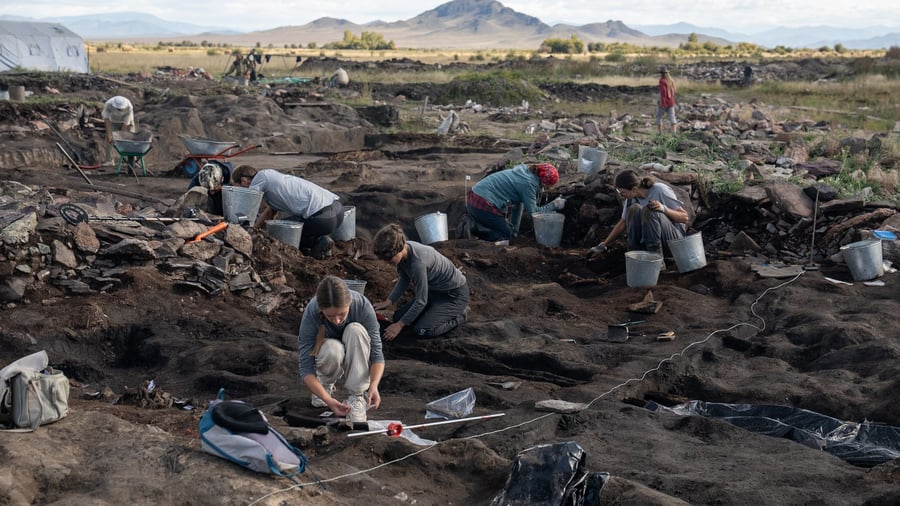
People likely consumed cannabis as far back as 2,800 years ago, according to a new analysis. Hair from individuals buried in a large princely tomb in southern Siberia contained traces of typical psychoactive compounds like cannabinoids, such as cannabinol (CBN). Over 1,000 hemp plant seeds were also discovered, according to a research team led by Gino Caspari from the Max Planck Institute for Geoanthropology in Jena and the University of Bern, as reported in the journal "Science".
Cannabis, also known as Cannabis sativa, refers to the dried flowers, leaves, stems, and seeds of the plant. The plant contains many chemical compounds, including over 100 cannabinoids, with the primary psychoactive compound being tetrahydrocannabinol (THC). "The molecular traces in the hair and the cannabis seeds come from the same grave and suggest that cannabis was used for its intoxicating effects," said Caspari.
His team dated several seeds to around 2,800 years old. While THC levels and the intended use of cannabis remain unclear, CBN signals were more prominent. The tomb, known as "Tunnug 1", is one of the largest and oldest princely tombs in the region and is attributed to the mounted nomadic Scythian people. In the center of the burial mound, researchers found four wooden structures with three single burials and one collective burial.
Burials were placed within the wooden reinforced adobe structure of the tomb, "where a large number of horses were sacrificed in the form of a spectral rider procession", write the study authors in "Science". They believe horses were also sacrificed for the tomb owner's rituals, as scattered human bones were found. It is possible that cannabis was used to calm the individuals for the rituals, or it could have served a secondary purpose, such as masking the odor of decomposing flesh during burial ceremonies.
The researchers note another Scythian tomb where cannabis seeds were found: Pasyryk in the Altai Mountains. A 2019 study in "Science Advances" also reported cannabis residues in vessels from the Jirzankal burial ground in the Pamir Mountains in western China, dating back approximately 2,500 years. The study team suggested that cannabis was used ritually by heating stones in rudders.
Ancient Greek historian Herodot of Halicarnassus reported that the Scythians threw cannabis on glowing stones to inhale the vapor for pleasure, indicating inhalation as the primary method of consumption. Caspari's team has since started decoding the DNA of some plant samples. "The DNA preservation is excellent in this case, which will help us learn more about the history of cultivation and spread of this crop soon," he hopes.
Written by urgent.news from Handelsblatt's reporting — not their text. Machine-written — may contain errors; check the original before relying on it.