OPINION: How opposition divisions could hand Ruto an overwhelming 2027 victory
Kenya’s presidential election is effectively a winner-takes-all contest, provided the winning candidate secures more than 50 per cent of valid votes cast and meets the constitutional geographical distribution threshold. A candidate does not need 80 per cent of Kenyans to support him. He needs his opponents to divide their support.
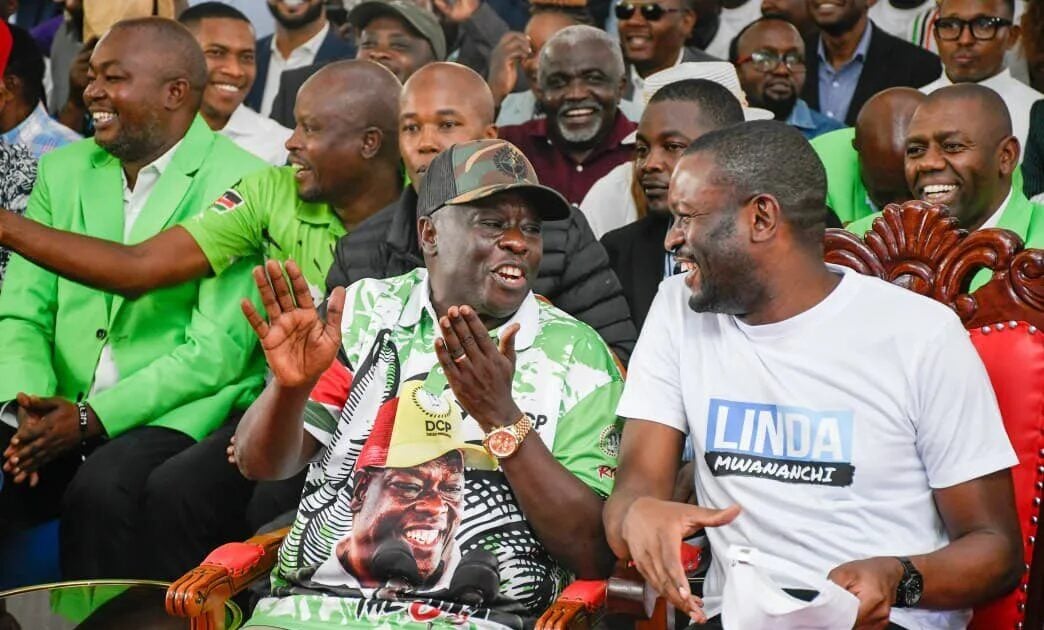
In recent weeks, four Kenyan political parties have submitted changes to their names, symbols, and colors with the Registrar of Political Parties. Edwin Sifuna unveiled the new Linda Mwananchi Party, announcing a presence in all 47 counties by November 30. Meanwhile, Kalonzo Musyoka faced criticism from his Ukambani allies, who are seen as potential opponents to President William Ruto.
The opposition's situation reflects a contradiction: while they claim to remove Ruto, their actions suggest they are competing against each other.
Several opposition rallies have taken place across the country, but there is no clear coordinated national strategy. Peter Kaluma, an ODM MP, suggested on social media that the ODM could secure an 80% victory for Ruto, potentially exaggerating the political arithmetic. The opposition's main challenge is their divided support among competing parties, weakening their ability to unite against Ruto.
Kenya's presidential election is a winner-takes-all contest, requiring a candidate to secure more than 50% of valid votes and meet a geographical distribution threshold. While an 80% share is not necessary, a fragmented opposition could give Ruto an easier path to victory. In 2022, Ruto won with 50.49% of the votes, while Raila Odinga received 6.94 million votes.
The opposition's political landscape now consists of four competing blocs: the ODM faction aligned with the government; Sifuna's Linda Mwananchi party; Kalonzo Musyoka's Wiper Party; and the DCP-Gachagua axis, which includes Jubilee remnants.
These factions have overlapping constituencies and are drawing support from various regions. If they remain separate and compete for the same voters, the opposition might struggle to achieve the necessary electoral numbers to defeat Ruto. Despite Sifuna's tactical moves, his short time frame and lack of established national support pose significant challenges for his party's potential success.
Building a unified national opposition party remains a daunting task for the current opposition, and without doing so, they risk handing Ruto an overwhelming victory in the 2027 election.
Written by urgent.news from Capital FM Kenya's reporting — not their text. Machine-written — may contain errors; check the original before relying on it.