Only a fraction of World Heritage sites are in Africa. China wants to fix that
Africa is home to ancient cities, rock art and striking natural landscapes, yet its sites are sorely under-represented on Unesco’s World Heritage List. According to data released by the UN body, of the 1,273 sites on the list – which are formally protected under the World Heritage Convention treaty – just 115 are in Africa. But as Beijing seeks closer cultural ties with the continent, it is…
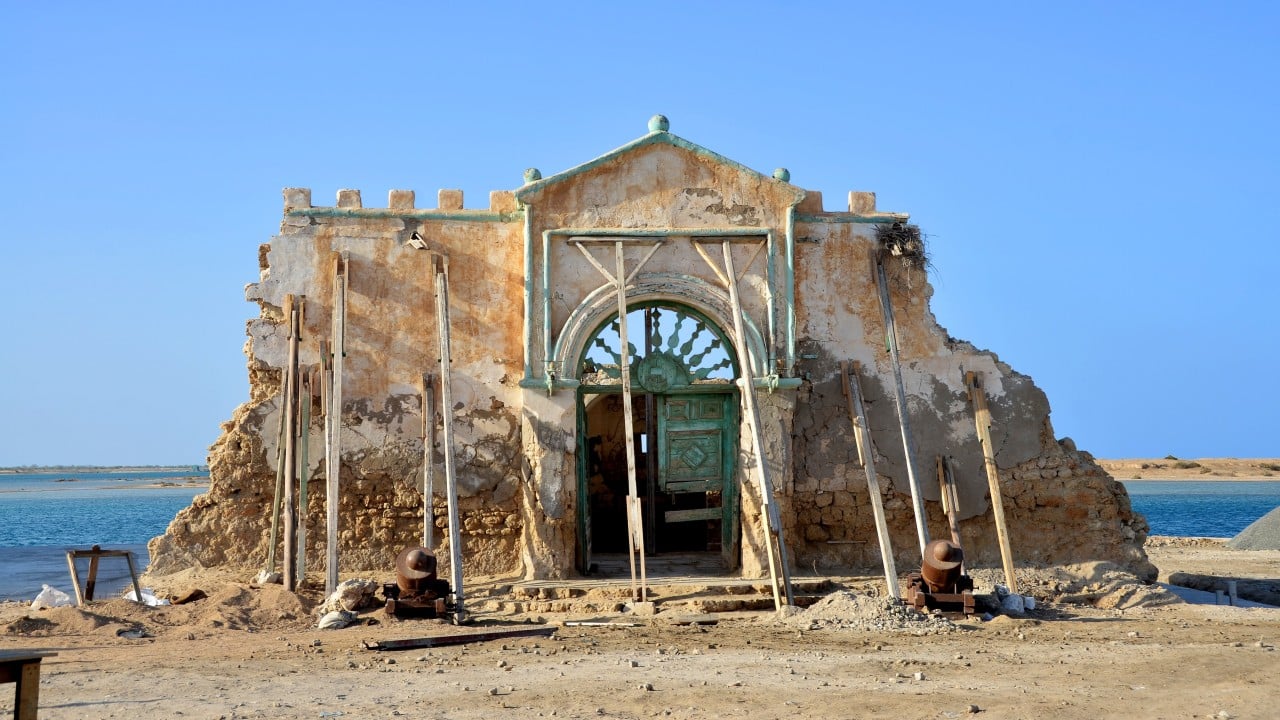
Africa, home to ancient cities, rock art, and striking natural landscapes, remains under-represented on UNESCO's World Heritage List. Out of the 1,273 sites on the list, only 115 are located in Africa. However, as China seeks to strengthen cultural ties with the continent, it is offering assistance in the form of funding, guidance on the nomination process, and training in conservation.
A week-long workshop in Quanzhou, Fujian province, brought together heritage officials from 17 African countries to share China's expertise and forge stronger diplomatic ties. Qin Changwei, secretary general of China's National Commission for UNESCO, highlighted Africa's inadequate geographical representation and expressed optimism about the potential for cooperation.
UNESCO's World Heritage Centre director, Lazare Eloundou Assomo, encouraged participants to adopt Chinese practices and Quanzhou's conservation experience. China's support ties into its Global Civilisation Initiative and Belt and Road Initiative, as well as the African Union's Agenda 2063. Quanzhou, granted World Heritage status in 2021, boasts 22 sites that reflect its maritime trading history during the Song and Yuan dynasties.
The city aims to become a model for heritage conservation by integrating protection into residents' daily lives. The China Funds-in-Trust (Quanzhou) for Capacity-Building on World Heritage in Africa received an initial budget of US$1 million. Preparing a World Heritage site nomination is a lengthy process involving research, surveys, and conservation planning.
While Chinese funding could aid countries in securing recognition, ongoing costs of training staff, preparing applications, and protecting sites remain a challenge. Experts argue that consistent resources are necessary for sustainable development of World Heritage sites and nominations.
Written by urgent.news from Reuters Business via SCMP's reporting — not their text. Machine-written — may contain errors; check the original before relying on it.
This story
This is one outlet's version. Read the fullest account.