NST Leader: Don't let Malaysia's connectivity be a gateway for drugs
SITTING astride the Strait of Malacca in the centre of Southeast Asia has brought the country immense blessings, from being a shipping hub since time immemorial to being an essential aviation centre for regional and international airlines in more recent times.
Southeast Asia's strategic location of Malaysia, astride the Strait of Malacca, has granted the nation immense benefits, notably as a vital shipping hub and aviation center. This geographic position attracts both trade and tourism, positioning Malaysia as a strategic magnet for people worldwide. However, this connectivity also presents a potential vulnerability, as it may inadvertently become a gateway for drug traffickers.
To mitigate this risk, Home Minister Datuk Seri Saifuddin Nasution Ismail announced, on August 19, a joint memorandum signed by the home and transport ministries. This memorandum outlines a comprehensive action plan for security improvements and mitigation measures, targeting phased-in security controls and screening at Kuala Lumpur International Airport (KLIA) and other international entry points.
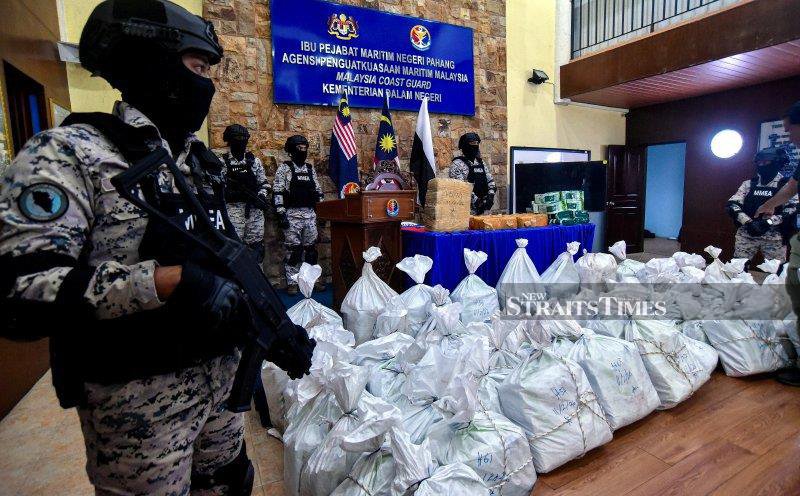
Malaysia's closeness to the Golden Triangle, a major drug-producing region, amplifies this vulnerability. Recent incidents, such as the seizure of over 3.4 tonnes of methamphetamine in the Klang Valley, underscore the urgent need for enhanced security measures. The drugs entered Malaysia via northern Peninsular Malaysia before being stored in rented houses.
Similarly, a Hong Kong drug seizure was linked to a syndicate that used Malaysia as a transit point before dispatching the drugs through KLIA and Penang International Airport. While the government's 17-point security plan for KLIA and other international entry points is a positive step, there is a critical need to ensure that implementation is measurable, adequately funded, and continuously evaluated.
The government must extend this protective shield across the entire country, acknowledging that heightened security at airports may only encourage drug syndicates to seek alternative vulnerable spots along the extensive coastline and land borders. Malaysia must fiercely guard its connectivity to prevent it from being exploited by international narcotics trade.
Intelligence gathering, border screenings, and enforcement coordination must be bolstered without hindering legitimate trade and travel. The minister's statement emphasized that the police, through the Narcotics Crime Investigation Department, are intensifying efforts against illicit trade throughout the syndicate network, underscoring the urgency of this ongoing battle.
Written by urgent.news from New Straits Times's reporting — not their text. Machine-written — may contain errors; check the original before relying on it.