Not Ravana, But Narkasura Dahan: Diwali In Goa Kicks Off With Burning Of Massive Effigy; What's Behind This Unique Tradition
While several parts of India mark Dussehra with the burning of Ravana's effigy, Goa has a distinctive ritual of its own during Diwali. In Panaji and other parts of the state, the festive celebrations begin with the burning of towering effigies of Narakasura, a demon king from Hindu mythology. The dramatic spectacle commemorates Lord Krishna's victory over the demon and the triumph of good over…
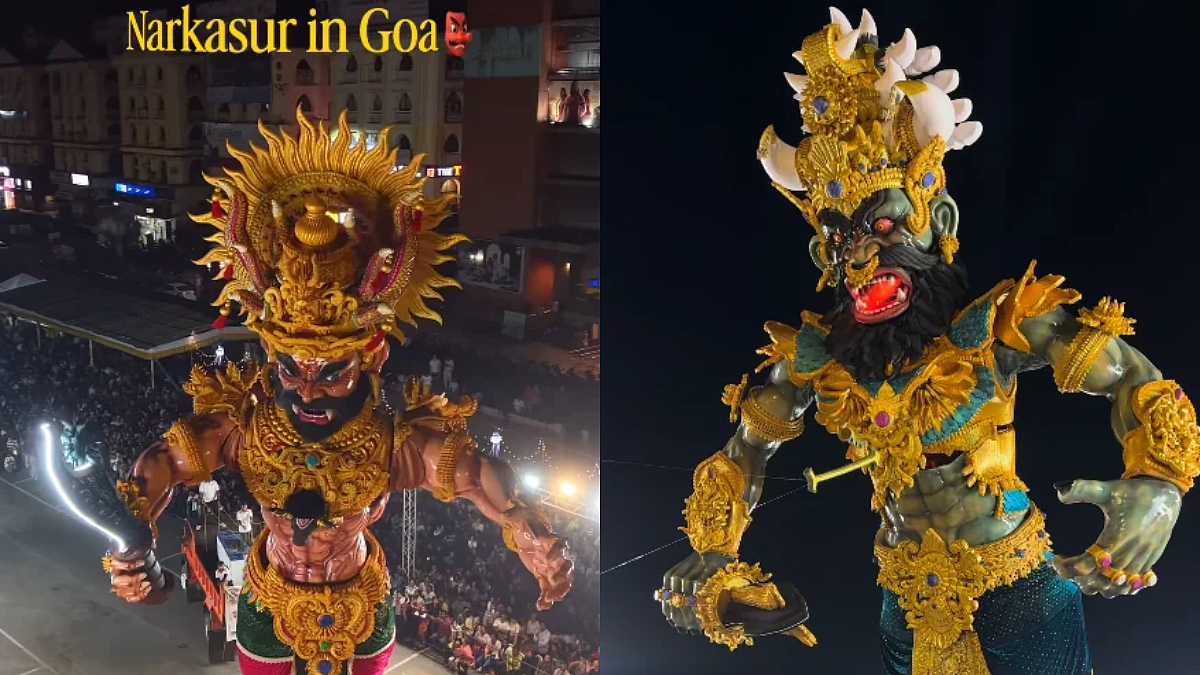
Diwali festivities in Goa kick off with a unique ritual that sets it apart from other parts of India. Unlike the widespread tradition of burning Ravana's effigy, Goa opts to commemorate the tale of Lord Krishna's triumph over the demon Narakasura. This dramatic event, known as Narakasura Dahan, marks the beginning of Diwali celebrations in the region.
On Saturday night, residents and local communities in Panaji participated in the grand ritual, parading elaborate effigies through neighborhoods before setting them on fire. This tradition, deeply rooted in Goan folklore, symbolizes the victory of good over evil. According to the legend, the once-tortured region of Gomantak was terrorized by the powerful Asura king Narakasura.
His arrogance and cruelty made life miserable for the people until they sought the help of Lord Krishna. In response to their prayers, Krishna confronted the mighty demon in an intense battle, ultimately defeating him with his Sudarshan Chakra. This victory signified the destruction of evil and the restoration of peace, making it a significant part of Goan culture and Diwali celebrations.
Written by urgent.news from Free Press Journal's reporting — not their text. Machine-written — may contain errors; check the original before relying on it.