New Zealand set for weeks of political wrangling
New Zealand faced the prospect of weeks of political wrangling after a knife-edge election that produced no clear winner but saw record gains for minor parties.
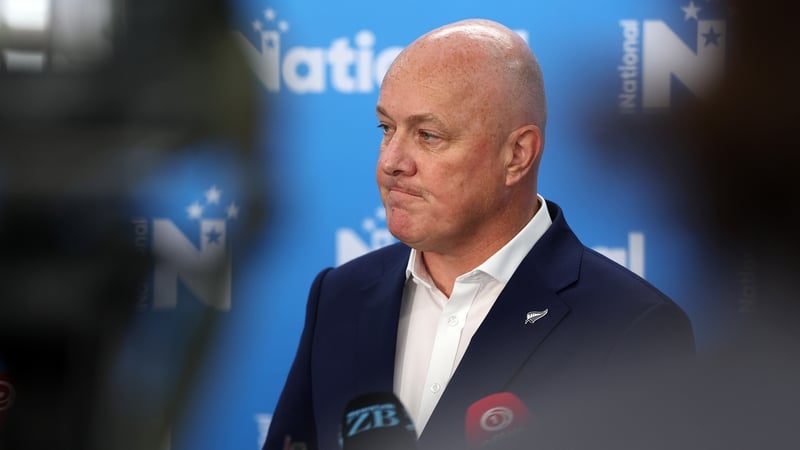
New Zealand faces weeks of political negotiations following a close election with no obvious victor, but notable achievements by minor parties. Prime Minister Christopher Luxon claims his right-wing coalition has been given a mandate to form the nation's next government, though results are still inconclusive. The National Party is projected to win the most seats, giving them a razor-thin majority of just two when combined with their coalition partners, NZ First and ACT.
Luxon declared his party had done well, despite the ongoing Middle East conflict and the subsequent global fuel crisis blamed for New Zealand's economic woes. The opposition Labour Party, led by Chris Hipkins, jokes that the country's voice may take some time to interpret. The Labour party's path to power is narrow, as it includes the Green Party and Te Pati Maori, representing the interests of New Zealand's Indigenous community.
Luxon will lead a caretaker government until the final vote count on November 27th. This final tally will include approximately 400,000 special votes, including around 100,000 cast overseas and by those outside their local electorate. Historically, special votes have leaned left, potentially giving Labour or Green parties an extra seat at the expense of the right-wing bloc.
The election garnered significant attention for minor parties, particularly the centrist Opportunity Party. Under New Zealand's mixed-member proportional representation system, voters select both a general party list and an individual member for their electorate. Opportunity won seven seats, potentially playing a crucial role in the next government.
With the special votes counted, Luxon's National Party now holds 42 projected seats, Labour has 36, the Green Party stands at 16, ACT at 13, NZ First at 12, and Te Pati Maori at five. Luxon stated he is willing to work with the Opportunity Party leader, Qiulae Wong, on shared issues. However, he emphasized the need for in-depth cross-party collaboration.
Written by urgent.news from RTE News's reporting — not their text. Machine-written — may contain errors; check the original before relying on it.
This story
This is one outlet's version. Read the fullest account.