Netanyahu rival Eisenkot to form a govt: How Israel’s political shake-up could reshape its Iran, Gaza war strategy?
Benjamin Netanyahu's potential exit could mark a political shift in Israel, but a change in leadership may not necessarily alter its military approach towards Iran and Gaza. Gadi Eisenkot's political alliances and stance on regional security will be crucial.
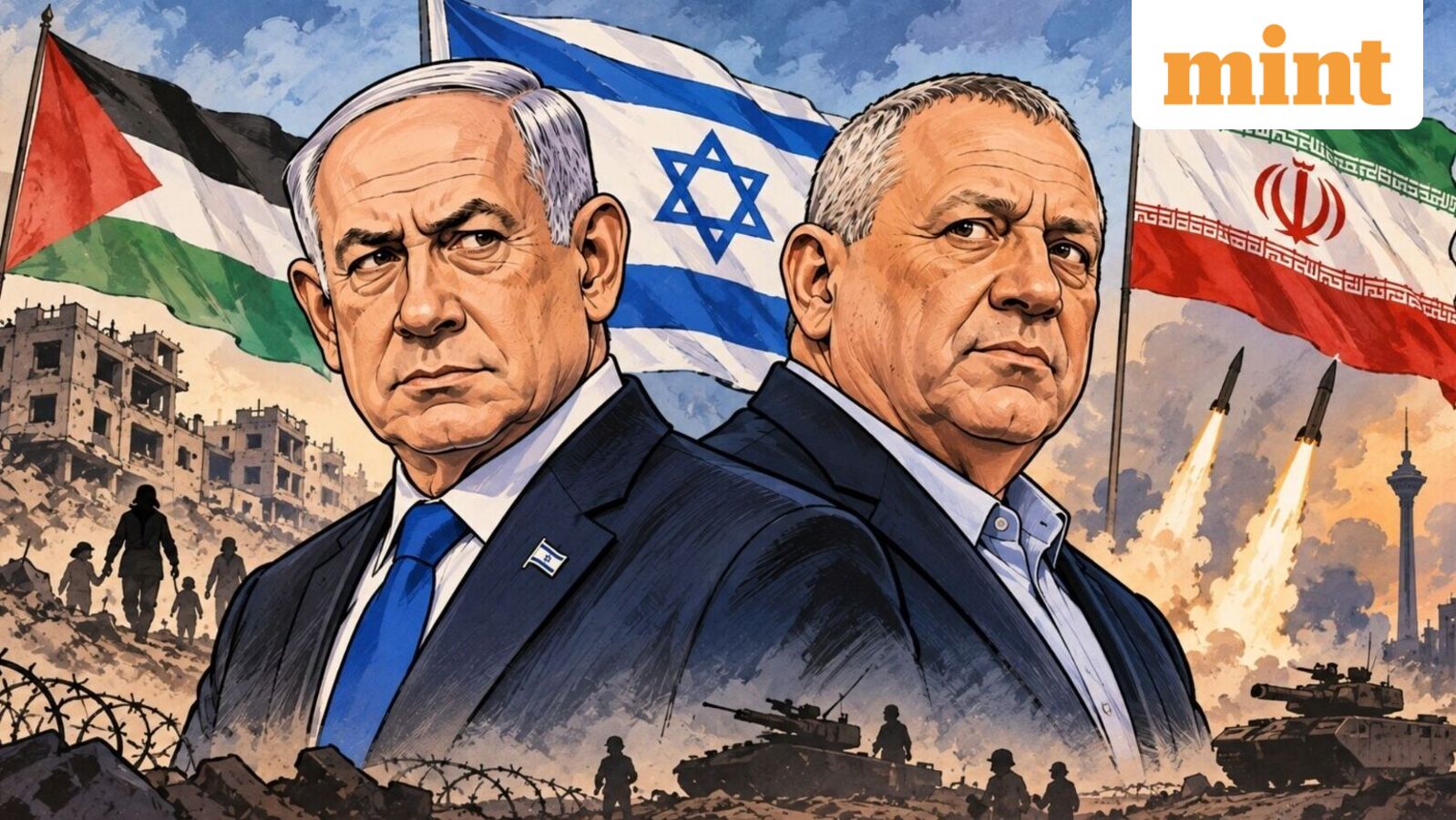
After a week-long post-election lull in Israel, President Isaac Herzog has announced that opposition leader Gadi Eisenkot will lead the next government. This political shift could potentially reshape Israel's approach to Iran and Gaza. Eisenkot, a former military chief and newcomer to politics, is currently leading the opposition bloc and aims to attract secular and liberal Israelis.
While he seeks to form a coalition government with ultra-Orthodox Jewish parties, his support is coming from various political groups, including Arab parties and right-leaning factions. These parties have made significant gains in the recent elections, driven by voter dissatisfaction with incumbent Prime Minister Benjamin Netanyahu.
The appointment of Eisenkot as the potential prime minister comes amid ongoing military operations in Gaza and tensions with Iran, shaping Israel's security priorities. Analysts predict that Netanyahu's potential exit could bring a shift in Israel's military strategy towards Iran and Gaza, but the real divide is expected to be in the intensity of these military campaigns rather than their direction.
Written by urgent.news from Live Mint's reporting — not their text. Machine-written — may contain errors; check the original before relying on it.