NASA’s Moon Mission Ripped a Hole in Earth’s Upper Atmosphere So Massive That It Disrupted GPS Signals
The rocket was powerful enough to create its own "anthropogenic space weather." The post NASA’s Moon Mission Ripped a Hole in Earth’s Upper Atmosphere So Massive That It Disrupted GPS Signals appeared first on Futurism .
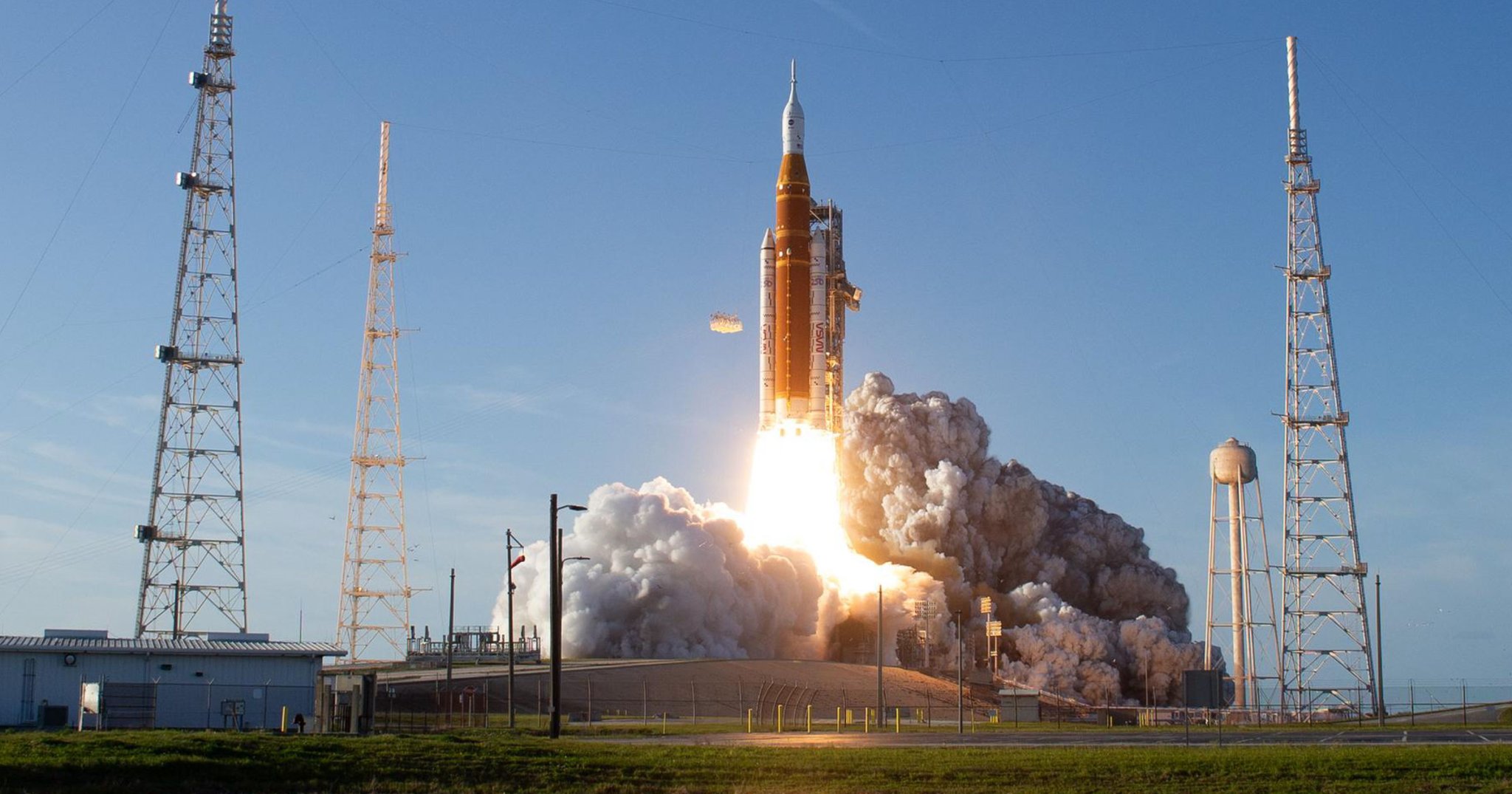
NASA's Artemis II lunar mission, which saw four astronauts journey around the Moon and back earlier this year, accomplished several firsts. The mission broke the record for the farthest human travel from Earth and provided crew members with stunning views of the Moon's far side. However, a new study published in Geophysical Research Letters reveals that the April rocket launch also tore a massive hole in Earth's upper atmosphere, disrupting GPS signals.
By analyzing data from ground-based GPS receivers, researchers from National Cheng Kung University in Taiwan discovered that the launch triggered shock waves and large-scale disturbances across North America. These disturbances, resembling the effects of a major solar storm, lasted for a short period but had significant consequences.
Coauthor and earth science professor Charles Lin warned that a positioning error of just a couple of meters could cause an autonomous car to change lanes or significantly impact drone positioning. The researchers suggest that studying the effects of these perturbations on the ionosphere and global navigation systems is crucial ahead of future launches.
Written by urgent.news from Futurism's reporting — not their text. Machine-written — may contain errors; check the original before relying on it.