Najib’s house arrest delay is about more than one man
The dispute may lead to implications beyond the former prime minister.
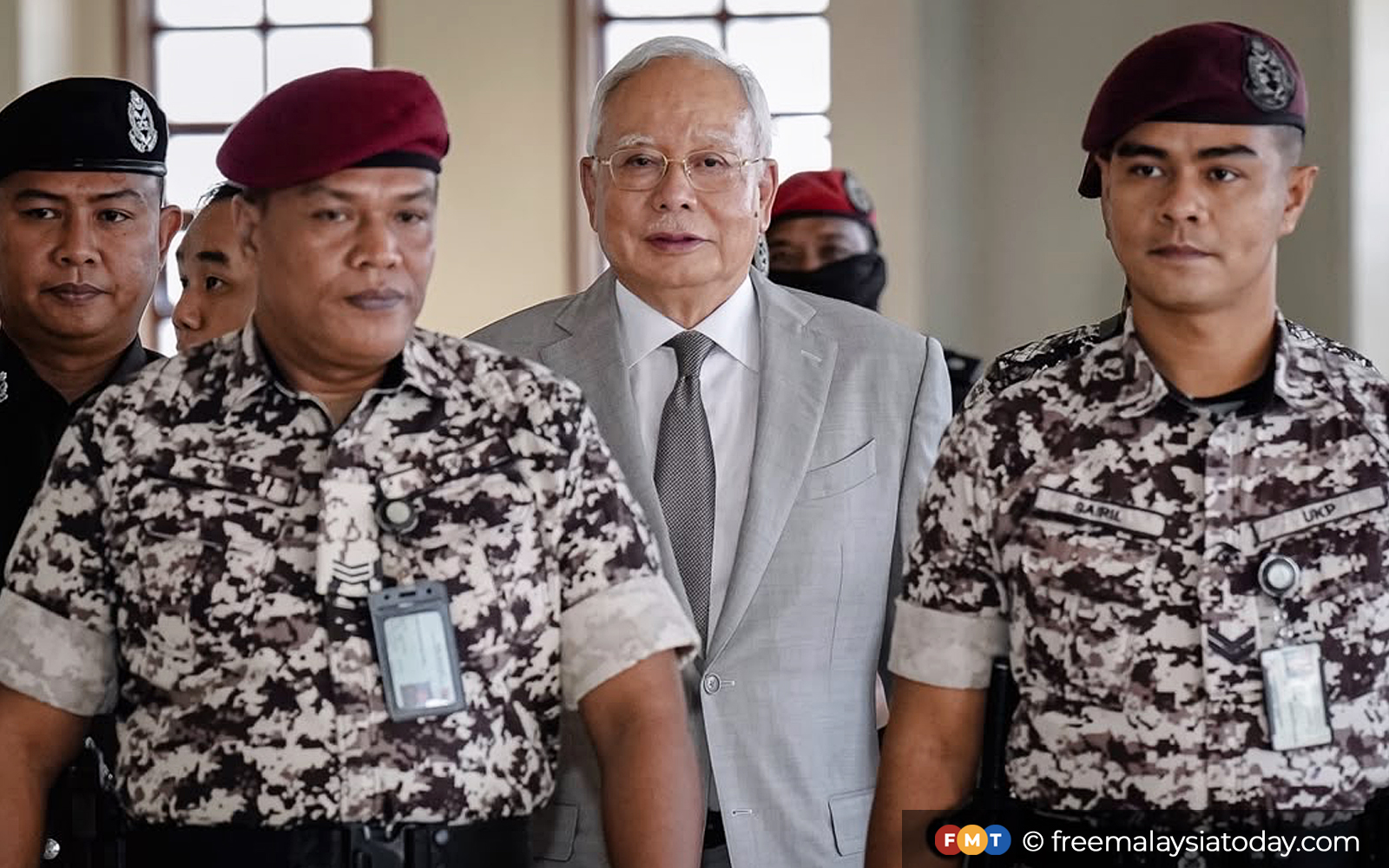
The legal dispute surrounding the transfer of former Malaysian prime minister Najib Razak from Kajang Prison to house arrest has evolved into a broader question about the interaction between a royal pardon, a court order, and a separate criminal sentence. Government agencies, Najib's legal team, and the Palace seem to be at odds over the practical application of these legal matters.
While all parties claim to be adhering to the law, the disagreement lies in the interpretation of what the law and the King's decree require in practice. The primary concern extends beyond Najib's immediate release from prison; it is whether Malaysia's legal framework can handle a situation where a prisoner is granted a conditional royal pardon while simultaneously serving another custodial sentence.
The King's stance seems clear-cut—Najib was granted a conditional pardon to serve the remainder of his SRC sentence under house arrest, provided he pays the RM50 million fine. However, the High Court's "Order of Discharge on Payment of Fine" has introduced uncertainty regarding the legal implications of Najib's discharge and whether he should continue serving his SRC sentence at home or if the sentence is considered complete.
The AGC seeks clarification on the order's implications, a distinction that could significantly impact the outcome. The implications extend beyond Najib, as this case could set legal precedents for future pardons and the administration of exceptional forms of custody. The courts' interpretation could have broader ramifications for how pardons and special custody arrangements are handled.
Additionally, public confidence in the legal system is vital. With Najib being a former prime minister, every development is closely examined for its fairness and adherence to legal principles rather than political influence. Therefore, transparency is crucial. The public deserves a clear explanation of how the pardon functions, how the prison and court orders interact, and the role of the 1MDB sentence.
The central question remains whether Najib leaves prison or remains there. However, the more lasting issue is whether Malaysia's legal system can offer a clear and consistent response to situations not explicitly covered by its laws. This matter transcends Najib Razak and may impact the framework for future legal interpretations in similar circumstances.
Written by urgent.news from Free Malaysia Today's reporting — not their text. Machine-written — may contain errors; check the original before relying on it.