Nach der Parlamentswahl: Israels Präsident beauftragt Eisenkot mit Regierungsbildung
Dem Oppositionspolitiker Eisenkot fehlen 13 Mandate für eine eigene Regierungsmehrheit. Arabische oder ultraorthodoxe Parteien könnten ihm helfen. Doch beide Optionen bergen großes Konfliktpotenzial.
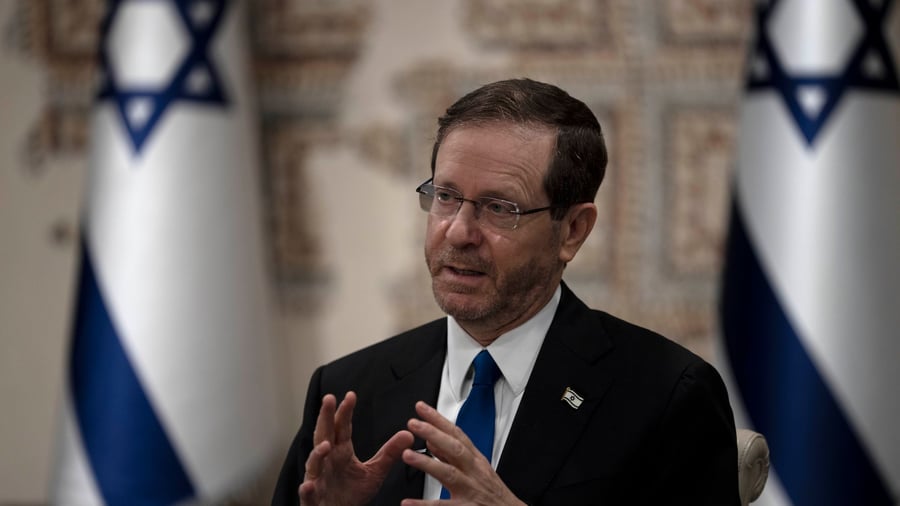
Following the recent parliamentary elections, Israeli President Izchak Herzog has formally tasked opposition politician Gadi Eisenkot with the formation of a new government. President Herzog invited Eisenkot, the leader of the Center Party, to his Jerusalem residence on Sunday at 16:00 MEZ. Eisenkot, who is the main challenger to incumbent Prime Minister Benjamin Netanyahu, must now attempt to form a coalition government within the next 28 days.
Failure to do so will allow Herzog to appoint another member of parliament, with Netanyahu as a possible candidate. Netanyahu's right-wing Likud party secured the most seats in the recent election, with 27 mandates, followed by Eisenkot's newly formed Jaschar party with 21 deputies. Opposition parties have urged Netanyahu to form a national unity government, which would include his Likud party, two ultra-orthodox parties, and extremist parties Religious Zionism and Ozma Jehudit.
However, Netanyahu warned that such a government would weaken Israel internally. Eisenkot dismissed Netanyahu's call as a "cheap PR trick" and emphasized the need to form a stable government, avoid further elections, and remove Netanyahu from power. The opposition coalition has 48 seats in the Knesset, short by 13 votes. Potential allies for the opposition include the United Arab List and Raam, with 19 mandates between them.
Ultra-orthodox parties United Torah Judaism (UTJ) and Shas could also be decisive, with 13 combined votes. UTJ initially recommended Netanyahu for the formation, while Shas declined. Channel 12 reported that Shas might agree to a coalition with UTJ if the UTJ spiritual leader agrees. The main obstacle has been the draft issue, a major flashpoint in Israeli politics.
UTJ and UTJ demand extensive exemptions for ultra-orthodox Jews, while Eisenkot favors a general service requirement, including alternative civilian service. The Likud party, now without Netanyahu at the helm, could potentially form a coalition, but without his leadership, a unified government program remains to be determined.
Written by urgent.news from Handelsblatt's reporting — not their text. Machine-written — may contain errors; check the original before relying on it.
This story
This is one outlet's version. Read the fullest account.