MSME ministry plans to amend Coir Industry Act 1953 to modernise infra, ease compliance burden
The Centre is weighing changes to the 1953 Coir Industry Act to widen its product definitions and cut red tape. The move comes as coir exports hit a record.
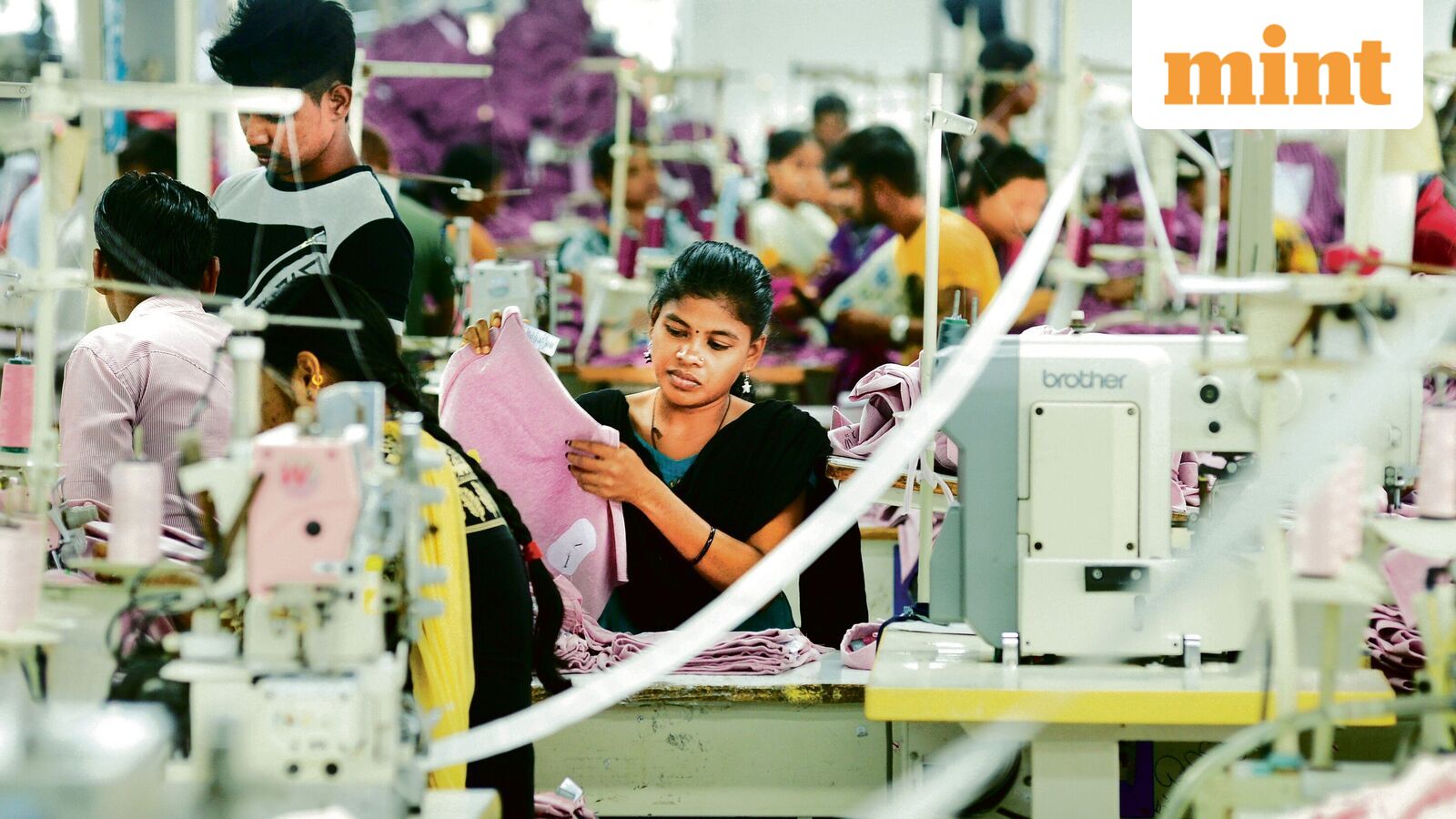
The Indian government is contemplating amending the Coir Industry Act of 1953 to modernize the sector that employs over 750,000 people and generated record exports worth ₹6,614 crore in the previous fiscal year. The Micro, Small, and Medium Enterprises (MSME) ministry seeks to broaden the Act's definitions to encompass a wider array of products, reduce delays and paperwork burdens, and modernize the industry.
Shipments have surged 52% from ₹4,343 crore in FY25 to ₹6,614 crore in FY26. The industry is predominantly located in southern India, with about 80% of workers in fibre extraction and spinning being women. The amendment process aims to align definitions with modern requirements, potentially unlocking new avenues for coir products like mats, pots, coir fibre, and handicrafts, which have found key export markets in countries such as the US, China, the Netherlands, and Spain.
Coir's natural fibre properties make it a promising alternative to synthetic fibers, potentially commanding premium prices in applications such as mattresses and ropes. A government official familiar with the matter said that discussions have commenced on the amendment, with the focus on modernizing and rationalizing the Act. The India SME Forum, representing nearly 100,000 MSMEs, advocates for the inclusion of newer coir products and easing compliance.
Vinod Kumar, the forum's president, suggests that the law should explicitly recognize a broad spectrum of commercially relevant coconut husk products, including coir pith, cocopeat, husk chips, growing media, geo-textiles, and composites, while removing ambiguity around newer materials and applications. Modernization efforts should also focus on shared facilities for processing, drying, grading, testing, and water treatment, as well as accessible working capital and stronger buyer links.
Export disruptions can adversely affect artisans, even those who do not directly export, as seen in a March 2026 pile-up of export-ready products worth ₹200 crore.
Written by urgent.news from Live Mint's reporting — not their text. Machine-written — may contain errors; check the original before relying on it.