Major ball-tampering incidents in cricket history listed: Sachin Tendulkar, Rahul Dravid to 'Sandpaper Gate'
Explore the major ball-tampering incidents in cricket history, from Sachin Tendulkar and Rahul Dravid to Sandpapergate and Fakhar Zaman, with full ban details.
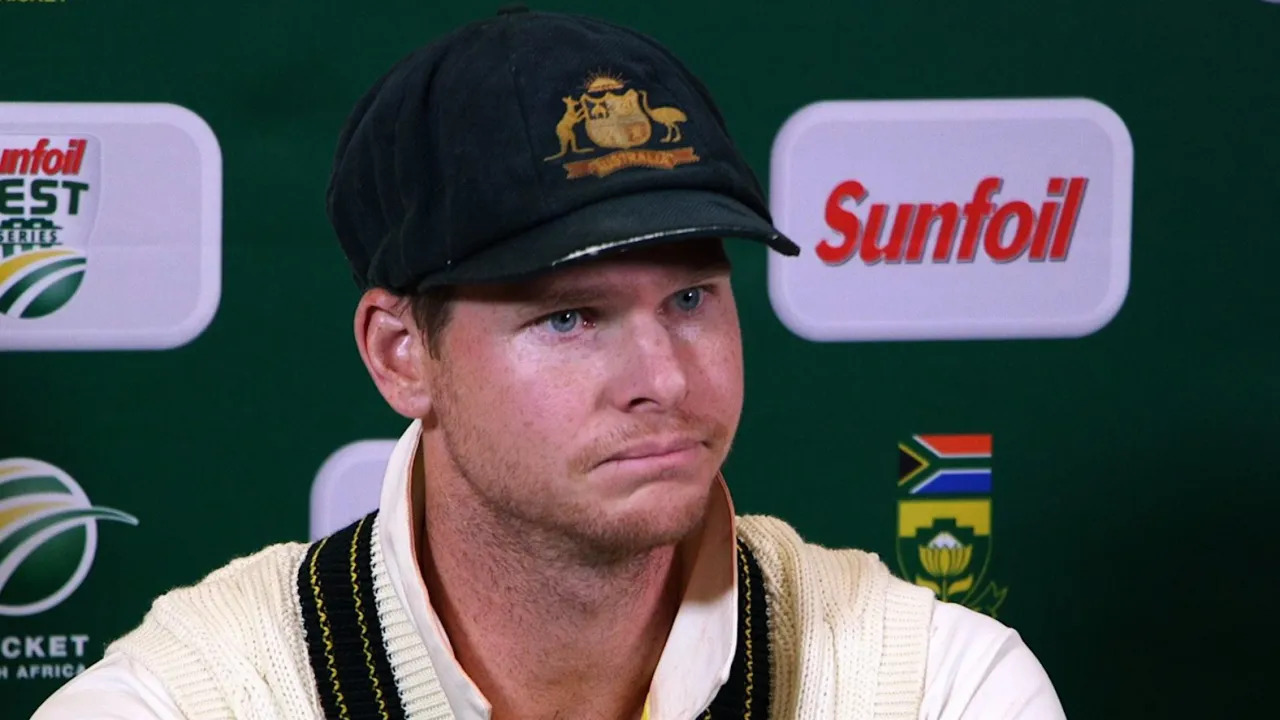
Major ball-tampering incidents in cricket history include notable players such as Rahul Dravid, Sachin Tendulkar, and Steve Smith. The punishments for violating the rules against ball tampering have varied, ranging from minor fines to extensive bans and even resignations. Cricket News explores some of the most significant ball-tampering episodes throughout the years.
John Lever (1977) faced controversy during England's tour of India when Vaseline was spotted on the ball after strips of gauze smeared with petroleum jelly were found on Lever's forehead. Lever claimed the strips were for sweat management, but no charges were brought against him.
Imran Khan (1981) admitted to using a bottle top to roughen a ball during a county match between Sussex and Hampshire. This admission led to a lengthy legal battle with Ian Botham and Allan Lamb.
Chris Pringle (1990) used a bottle cap during the Faisalabad Test between New Zealand and Pakistan. He was not sanctioned at the time and only admitted to the wrongdoing after retirement.
Michael Atherton (1994) was caught on camera taking something from his pocket and rubbing it on the ball during a Test match against South Africa at Lord's. Atherton was fined £2,000 for not informing the match referee about his actions, though he retained his captaincy for the rest of the series.
Waqar Younis and Azhar Mahmood (2000) became the first players to be suspended for ball tampering during a triangular one-day series in Sri Lanka. Waqar was given a one-match ban and a fine equivalent to half his match fee, while Mahmood received a 30 per cent fine. This case marked the beginning of utilizing television footage to punish ball tampering.
Written by urgent.news from Yahoo Sports's reporting — not their text. Machine-written — may contain errors; check the original before relying on it.