Maharashtra: Torrent Power's 3,000 MW Saidongar Project Faces Villagers' Protest Over Tree Felling And Water Scarcity
Mumbai: Villagers near Karjat in Raigad district are opposing Torrent Power’s proposed 3,000 MW pumped-storage hydroelectric project at Saidongar, fearing deforestation, water loss and displacement. The project requires 377 hectares, including over 233 hectares of forest and 144 hectares of private land. Residents Fear Displacement, Flooding And Loss Of Natural Surroundings “We have a beautiful…
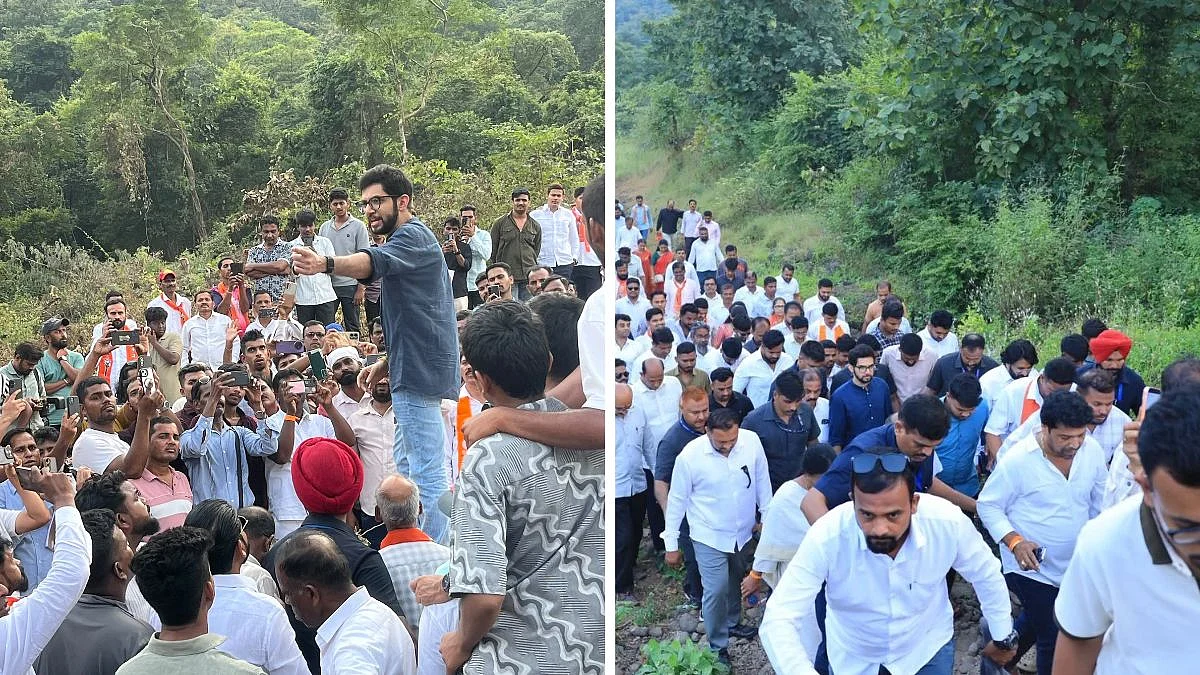
Villagers in Karjat, Raigad district, are protesting Torrent Power's planned 3,000 MW pumped-storage hydroelectric project at Saidongar. Concerns include deforestation, water scarcity, and displacement of residents. The project necessitates 377 hectares, encompassing 233 hectares of forested land and 144 hectares of private property.
Vimal Deshmukh, a local resident, lamented that the project would obliterate their village's lush surroundings and pristine environment. She alleged that tree-cutting commenced without prior notification, and fears of flooding ensued. The environmental impact assessment outlines scrub vegetation but identifies 217 plant species, including orchids and lichens, along with 14 mammal, six bird, and six reptile species.
However, villagers contest this assessment. A forest officer, Sameer Shinde, confirmed that 2,700 trees were felled before work was halted following protests. Villagers alleged that cutting resumed without formal notice from October 20 to 27. Advocate Kailas More, coordinator of the Karjat Environment Protection Committee, expressed apprehensions about the impact on forests, rivers, farmers, Adivasis, and livelihoods, stressing the need to safeguard natural resources.
He urged for the project's cancellation. The Maharashtra MBBS Interns have also demanded a ₹30,000 monthly stipend, citing a proposed hike to ₹25,000 amidst pay disparities. Prasad Deshmukh, a Pali resident and Sangharsh Committee member, accused the government and Torrent Power of evading questions. He stated that the gram panchayat had not approved the project, would deny permission, and might pursue legal action.
Standing across the Pej River from Sai Mountain, villagers reported that numerous trees were cut for an access road. They questioned the mass felling, asserting that severing branches often precedes further destruction. Vanashakti's D Stalin labeled the project "completely destructive," querying its environmental credentials and wildlife assessment.
Bhagwan Kesbhat, Founder and CEO of Waatavaran, emphasized the critical importance of preserving the ecological integrity of Raigad foothills, which is vital for climate stability and water security in the Mumbai Metropolitan Region.
Written by urgent.news from Free Press Journal's reporting — not their text. Machine-written — may contain errors; check the original before relying on it.