Korea's dependency ratio to rise from OECD's lowest to highest by 2048
Korea is on course to have the highest total dependency ratio among OECD members by 2048, up from the lowest this year, as population aging and persistently low birthrates reshape the country's economy. Calculations based on the OECD’s latest population projections showed Sunday that the ratio will rise from 45.4 this year to 90.2 in 2048, exceeding Greece’s 90.1. It is forecast to reach 117.3 by…
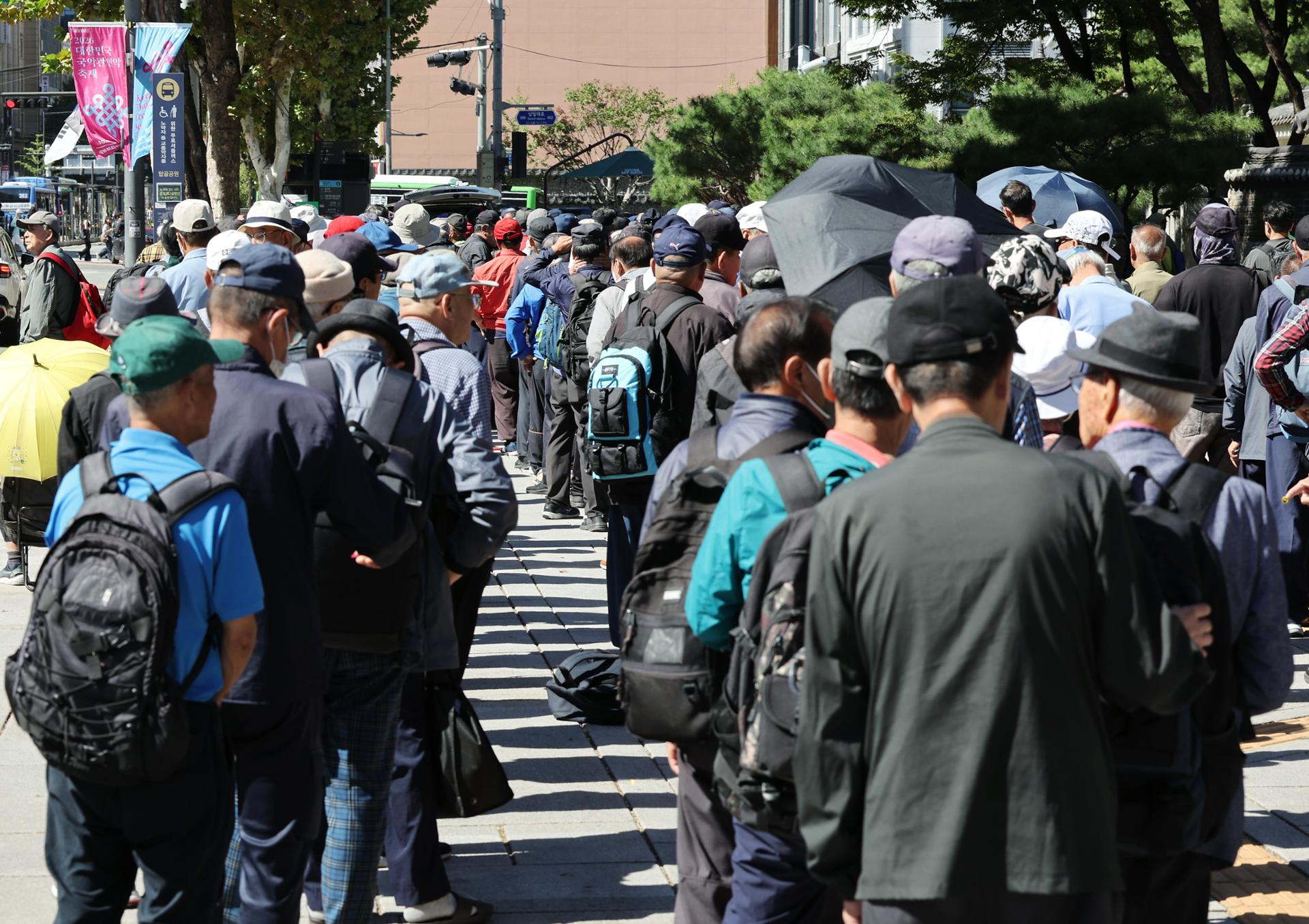
Korea is projected to have the highest dependency ratio among OECD nations by 2048, starting from the lowest ratio this year, as the country experiences population aging and consistently low birth rates, according to OECD projections. The total dependency ratio is expected to increase from 45.4 this year to 90.2 in 2048, surpassing Greece's 90.1.
It is anticipated to reach 117.3 by 2070, nearly doubling its present value. The ratio is calculated by comparing the number of children aged 14 and under and adults aged 65 and older for every 100 people aged 15 to 64, reflecting the age structure of the population rather than actual economic obligations or employment rates. The majority of the anticipated rise is attributed to the growing elderly population.
The number of individuals aged 65 and older per 100 working-age people is projected to rise from 31.3 this year to 103.3 in 2070, while the proportion for children is expected to remain close to 14. Currently, Korea's old-age dependency ratio is ranked as the 18th-lowest among the 38 OECD members. By 2045, it is projected to surpass Japan's 67.6, reaching 68.4.
Written by urgent.news from The Korea Times's reporting — not their text. Machine-written — may contain errors; check the original before relying on it.
This story
This is one outlet's version. Read the fullest account.