Kookmin University research team develops AI model to predict properties of mixtures
A Kookmin University research team has developed an artificial intelligence (AI) model that predicts the properties of mixtures based on the proportions of their chemical components. The university said Thursday that the team was led by Joung Joon-young, a professor in the Department of Chemistry at the university’s Graduate School. The team included Kim Ji-hwan, a student in the university’s…
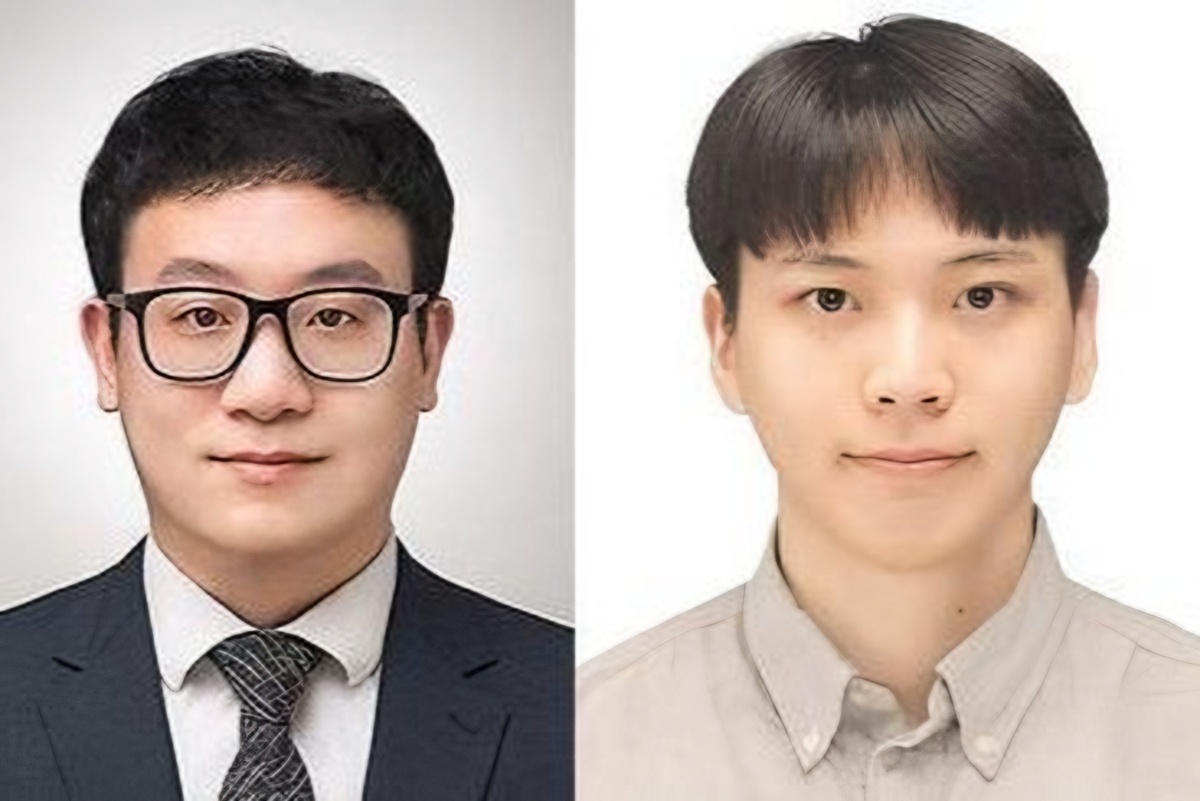
A research team from Kookmin University has created an artificial intelligence (AI) model capable of predicting the characteristics of mixtures based on the ratios of their chemical constituents, the university announced on Thursday. Led by Professor Joung Joon-young from the Graduate School's Chemistry Department, the team comprised Kim Ji-hwan, a student in the integrated master's and doctoral program, and Kim Chan-joong, an undergraduate.
Their findings were published in the Chemical Engineering Journal, where they described the model as encoding composition-dependent intermolecular interactions into learned molecular representations. Most everyday chemical products are mixtures of multiple substances, not single compounds. Examples include industrial solvents, battery electrolytes, automotive fuels, and cosmetic and pharmaceutical formulations.
The properties of a mixture are influenced not only by the substances it contains but also by their proportions. However, these changes do not necessarily alter the core facts presented in the original source.
Written by urgent.news from The Korea Times's reporting — not their text. Machine-written — may contain errors; check the original before relying on it.