It Is Now Time For The Next Agricultural Revolution In India
Meteorologists classified the 2026-27 Super El Nino as one of the most intense ones in the past 75 years. As predicted, India witnessed a severe rainfall deficit—12.6%—in this year's monsoon season. And yet, the remarkable feature of our monsoon-fed agriculture is that there is no shortage of food. In 2025-26, our food grain production was about 377 million tonnes, a record. In the current year,…
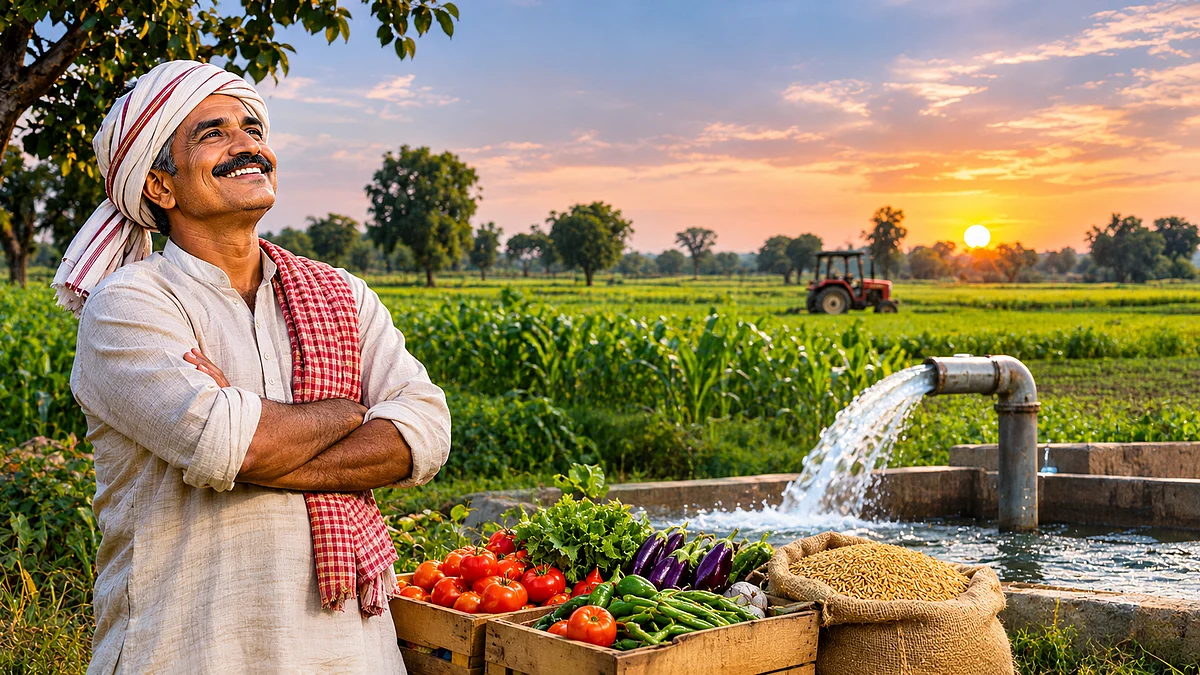
A new era in Indian agriculture is dawning as the country grapples with the impact of a severe rainfall deficit during the 2026-27 monsoon season. Despite this, India's food grain production reached a record 377 million tonnes in 2025-26, with a projected 1-2% decline this year.
India has come a long way in terms of agricultural technologies and irrigation, with about 55% of the total cropped area now irrigated. Groundwater and canal irrigation play significant roles, accounting for 60% and 25% of the irrigated area, respectively. Over the past decade, agriculture has seen robust growth, and India remains a top importer of cooking oil while enjoying a modest trade surplus in agriculture.
However, there are notable challenges in India's agricultural sector. The country produces an abundance of food grains but falls short in other vital food items, leading to shortages. The current policies, which were initially designed to combat cereal shortages, have led to market distortions and inefficient resource utilization.
Key issues include the overproduction of food grains and a lack of production for other essential foods, inefficient water use and groundwater depletion, misapplication of fertilizers, and inadequate post-harvest technologies. The government's heavy subsidies, amounting to nearly ₹2.30 lakh crore annually, encourage farmers to grow rice and wheat on fertile lands, even when there is a surplus. This leads to a significant diversion of food grains into the public distribution system, causing further losses to the exchequer.
Moreover, the focus on cereals like rice and wheat has resulted in adult obesity and rising cases of type-2 diabetes. Rice and wheat crops, crucial for India's agricultural landscape, consume vast amounts of water, with canal irrigation often being fully subsidized. This practice contributes to water wastage and increased power subsidies due to the heavy use of agricultural power.
Fertilizer subsidies, particularly for urea, are also problematic. With a global record-high subsidy of over 90%, India's fertiliser subsidy bill has reached ₹1.7 lakh crore and may surpass ₹2 lakh crore in 2026-27 due to rising oil and gas prices. This subsidy encourages excessive nitrogen application while neglecting essential phosphorus and potassium, leading to nutrient imbalances and soil degradation.
Inefficient supply chains result in significant post-harvest losses of fruits and vegetables, with up to 20-30% of the harvest going to waste. The country's cold storage infrastructure and horticulture processing are limited, with only a few states benefiting from adequate storage facilities and processing capabilities. This inefficiency undermines the potential for horticulture exports and poses health risks due to high pesticide residue levels in many produce samples.
Written by urgent.news from Free Press Journal's reporting — not their text. Machine-written — may contain errors; check the original before relying on it.