Hong Kong investors look to Swiss Alps as they diversify property holdings
Some wealthy Hong Kong investors are looking beyond Asia for property, as they seek to diversify their holdings across currencies and jurisdictions as part of a broader approach to wealth preservation. The Swiss Alpine resort village of Andermatt offers one example of the appeal. Prime residential prices there rose 12.5 per cent in the year to June 2026, making it the second-best-performing…
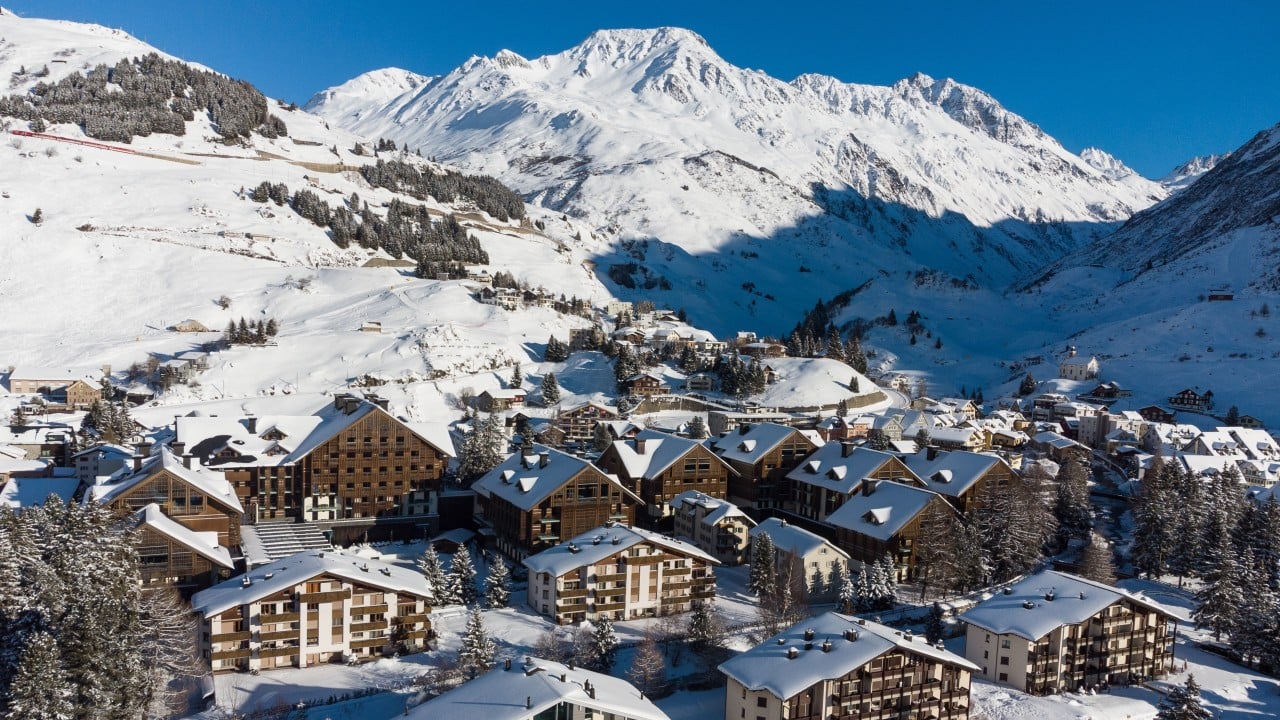
Wealthy Hong Kong investors are turning to the Swiss Alps to diversify their property holdings and preserve their wealth across different currencies and jurisdictions. Andermatt, a resort village in Switzerland, stands out as an attractive option. Its prime residential prices have surged by 12.5 percent over the past year, making it the second-best-performing market in the Knight Frank Mountain Property Price Index.
The relatively lenient rules for foreign buyers and the strength of the Swiss franc are key factors that attract international investors. Hong Kong's ultra-high-net-worth population has grown by 26.4 percent in 2025, reaching nearly 18,300 people. Direct real estate typically makes up 30 to 35 percent of an ultra-wealthy individual's investment portfolio.
About a quarter of this allocation is held outside Hong Kong, with roughly 10 percent in European markets. About 7 to 8 percent of Andermatt's property owners are based in Asia, with Hong Kong residents forming the largest group within this segment. The ease of buying as a foreigner, coupled with Switzerland's strong snow-safety record and lack of development restrictions, makes Andermatt an appealing choice.
The Swiss franc's reputation as a safe-haven currency, limited land availability, and tight planning controls further add to its appeal. However, concerns about the long-term reliability of snowfall and the potential impact of seasonal rental demand on returns and resale prospects need to be considered.
Written by urgent.news from SCMP Business's reporting — not their text. Machine-written — may contain errors; check the original before relying on it.