First patient undergoes pioneering stem-cell treatment for Parkinson's
Your browser does not support the audio element.
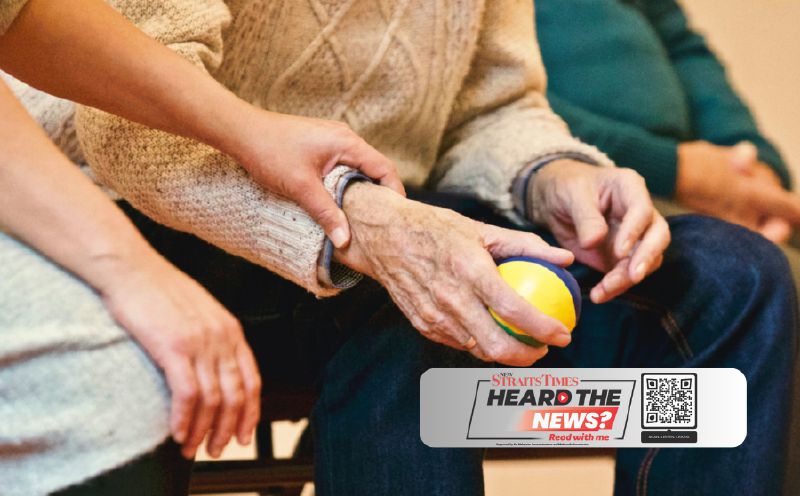
A patient in Japan became the first to receive pioneering stem-cell therapy for Parkinson's disease, announced Sumitomo Pharma, the pharmaceutical company responsible for the treatment. The therapy entails transplanting millions of induced pluripotent stem (iPS) cells into the patient's brain. These cells have the unique ability to develop into various types of cells throughout the body.
Japanese authorities granted approval for the novel therapy in March 2023 after a successful clinical trial. The first transplant surgery took place in October of the same year at Kyoto University Hospital. Parkinson's disease is a chronic, degenerative neurological condition that primarily affects the body's motor system, causing symptoms such as uncontrollable shaking and movement difficulties.
According to the Parkinson's Foundation, over 10 million individuals worldwide are living with the illness. Current treatments alleviate symptoms but do not halt the progression of the disease. iPS cells are generated by transforming mature, specialized cells back into a juvenile state. Sumitomo Pharma's method involves cultivating iPS cells obtained from healthy donors into dopamine-producing brain cells, which are absent in Parkinson's patients.
In a clinical trial, seven patients ranging in age from 50 to 69 each received implants containing either five million or 10 million cells on both sides of their brains. These patients were monitored for two years, and no significant adverse effects were observed. Four patients experienced improvements in their symptoms. Sumitomo Pharma plans to conduct transplants on 20 to 30 patients by March 2029.
They are also conducting a clinical trial in the United States. If the treatment's safety and efficacy are confirmed over the next seven years, it will receive full approval in Japan, according to local media reports.
Written by urgent.news from New Straits Times's reporting — not their text. Machine-written — may contain errors; check the original before relying on it.