'Feeling guilty': price hikes a tough sell in Japan despite inflation
TOKYO: When Japan’s “symbol of affordability” Uniqlo decided to increase the price of its basic socks last month, it sparked a backlash before the clothing titan made an immediate U-turn.
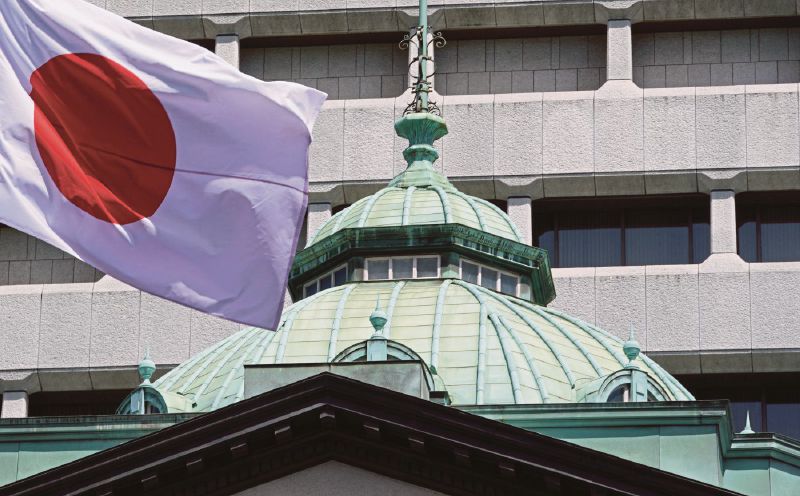
Japan's symbol of affordability, Uniqlo, recently decided to increase the price of its basic socks, sparking backlash as it promptly reversed its decision. Italian-style family restaurant chain Saizeriya issued an apology for increasing the price of its Milanese Doria by 20 yen (US$0.13), lamenting its lack of effort. The public backlash highlights the challenges Japanese firms face in raising prices amid rising costs, as the country has experienced decades of deflation that has made consumers wary of higher prices.
The Bank of Japan recently declared its two-percent inflation target had been met after 13 years of ultra-loose monetary policy, following a global energy shock in 2022 triggered by the Ukraine war. This inflation was further exacerbated by the US-Israel war on Iran, which led to a global supply chain crisis and soaring company costs.
Despite this, Japanese consumers have been largely averse to price hikes, with small businesses particularly struggling to implement drastic price increases without alienating their loyal customer base.
Sachi, a 68-year-old ramen shop owner in Okayama region, has been reluctant to raise prices despite increasing costs, feeling guilty about potentially disappointing her long-time customers. Small rural businesses, in particular, face difficulties in implementing price hikes due to their reliance on loyal patronage. While larger companies in other countries have been able to raise prices accordingly, Japanese businesses have found it more challenging to do so due to the inherent taboo surrounding price increases.
Uniqlo's decision to backtrack on its sock price hike came as it sought to maintain its reputation as an affordable brand. Saizeriya, which increased prices on almost all menu items, issued a statement that some perceived as self-flagellation and vowed to look for excuses to lower prices again. However, the chain left other items, such as wine, unchanged to maintain its image as a casual, inexpensive dining option.
Surging grocery bills have left Japanese households with less spending power for other purchases, such as dining out and clothing. Despite the recent increase in real wages, food prices remain prohibitively high, forcing many to rely on imported goods due to higher costs for locally-produced items. The Bank of Japan has implemented interest rate hikes to combat inflation, but this has only exacerbated the financial strain on consumers.
Professor Tsutomu Watanabe of the University of Tokyo's graduate school of economics noted that pay raises have not been sufficient for everyone and that wage growth in Japan has been lagging behind inflation. He believes that a shift in consumer mindset towards accepting chronic inflation will take at least another three to four years.
Written by urgent.news from New Straits Times's reporting — not their text. Machine-written — may contain errors; check the original before relying on it.
This story
This is one outlet's version. Read the fullest account.
- 'Feeling guilty': Price hikes a tough sell in Japan despite inflation channelnewsasia.com
- Japan manufacturers lift profit outlooks on price hikes, weak yen asia.nikkei.com