Emulating arcade games is harder than emulating consoles, and MAME's 30-year history shows why
Emulating a Super Nintendo is easy, but emulating an arcade cabinet is a different beast
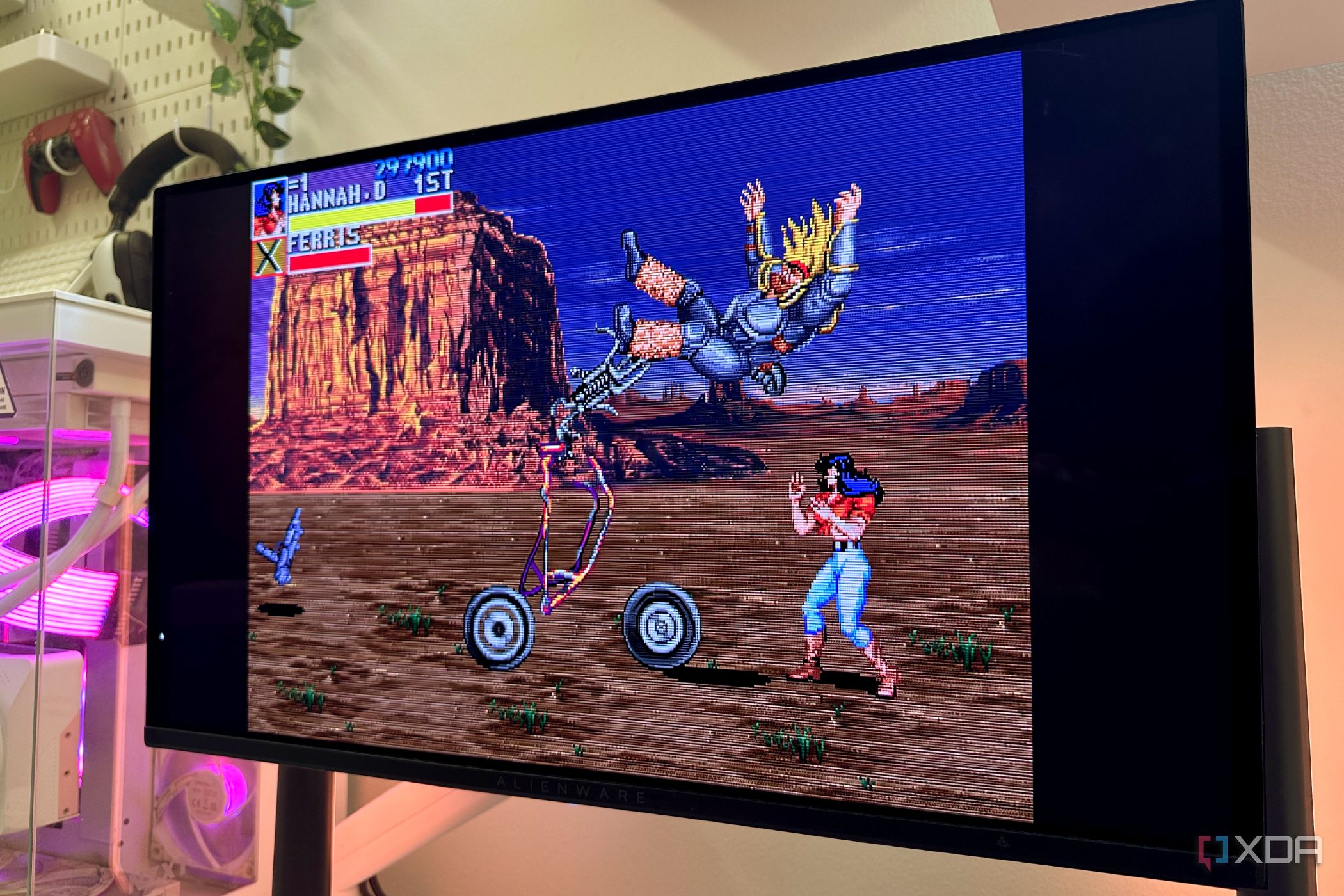
MAME, the Multiple Arcade Machine Emulator, has been working for over three decades to recreate arcade games on modern computers. Despite the ease of emulating consoles like the Xbox 360 on Android devices, recreating arcade games proves to be far more challenging. Arcade games run on unique hardware with different CPUs, memory layouts, graphics hardware, sound hardware, input systems, and timing behaviors.
If an emulator fails to accurately reproduce any of these elements, the game may still run, but it won't feel quite right. Arcade cabinets often used vector monitors, trackballs, light guns, force-feedback steering wheels, and CRT glow, which cannot be replicated accurately by an emulator. MAME's primary challenge lies in emulating the diverse hardware configurations used in arcade machines, as opposed to the standardized hardware found in consoles like the Super Nintendo.
MAME began in 1997 as a smaller project, but it has grown to encompass a vast array of arcade games, each requiring extensive reverse-engineering efforts. The emulator developers face numerous obstacles, such as decoding encrypted data, reverse-engineering custom chips, and painstakingly recreating hardware behavior. Despite these challenges, MAME continues to evolve and improve, ensuring that arcade games can be experienced on modern systems.
Written by urgent.news from XDA Developers's reporting — not their text. Machine-written — may contain errors; check the original before relying on it.