Defects at Hong Kong MTR station ‘unimaginable’, engineers and lawmakers say
The mistakes that left about 30 columns defective at a Hong Kong railway station under construction were “unimaginable”, lawmakers and engineers have said, adding that the repairs were expected to be straightforward and unlikely to delay the project. The MTR Corporation was also urged on Sunday to set up a reporting mechanism that would allow frontline workers to flag problems during…
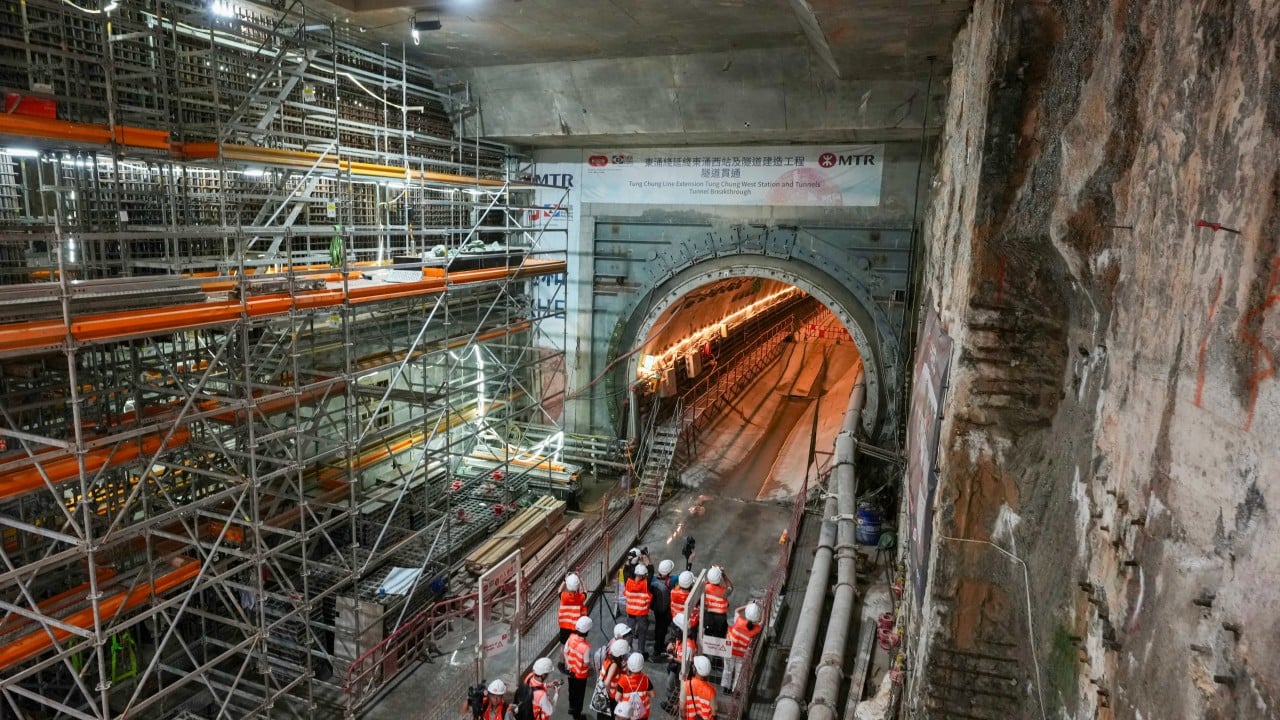
Engineers and lawmakers have described the defects discovered at a Hong Kong MTR station under construction as "unimaginable," asserting that the required repairs should be relatively simple and unlikely to cause any delays. According to the Buildings Department, approximately 30 columns at the MTR's Tung Chung West station were found to be defective as the concrete had failed to reach the upper ceiling, leaving steel reinforcement bars exposed.
The MTR Corporation had previously halted work following an October inspection where the main contractor was found to have filled the columns' heads with patching material without prior approval.
Aaron Bok Kwok-ming, an engineering sector lawmaker and deputy chairman of the Legislative Council subcommittee on matters related to railways, emphasized that such a mistake in filling concrete into columns is extremely rare. He stated that the remediation process would be straightforward, but the contractor must agree on a remedial plan with the MTR Corporation before proceeding.
The MTR Corporation was urged to establish a reporting mechanism to allow workers to flag any issues during construction. Mark Chong Ho-fung, a lawmaker from the Roundtable party, recommended that the MTR Corporation disclose whether basic steps such as concrete filling fall within the scope of its inspections. He also suggested that the corporation establish a reporting mechanism for frontline workers to report deviations from the construction plan.
Former chairman of the Structural Division of the Hong Kong Institution of Engineers, Edward Chan Sai-cheong, suspects that a step to fill gaps at the tops of columns with grout might have been overlooked. Grouting gaps during top-down construction is a common practice, allowing steel columns inside the concrete columns to support floors above while continuous construction occurs.
Chan mentioned that grouting typically takes little time, and the gaps would first need to be inspected and prepared, with further grouting or patching required if necessary. The Buildings Department indicated that the defects pose no structural danger due to temporary supports beneath the floor slabs. The Highways Department has separately requested a detailed report from the MTR Corporation within two weeks, and authorities have assured that the Tung Chung line extension project will still be completed by 2029.
Written by urgent.news from South China Morning Post - Hong Kong's reporting — not their text. Machine-written — may contain errors; check the original before relying on it.