CULTURAL TENSIONS: Is halaal food becoming more common in SA? Debunking viral myths
South Africa’s halaal food debate exposes misunderstandings about Islamic slaughter, religious freedom, voluntary certification and the commercial forces behind the growing number of halaal products.
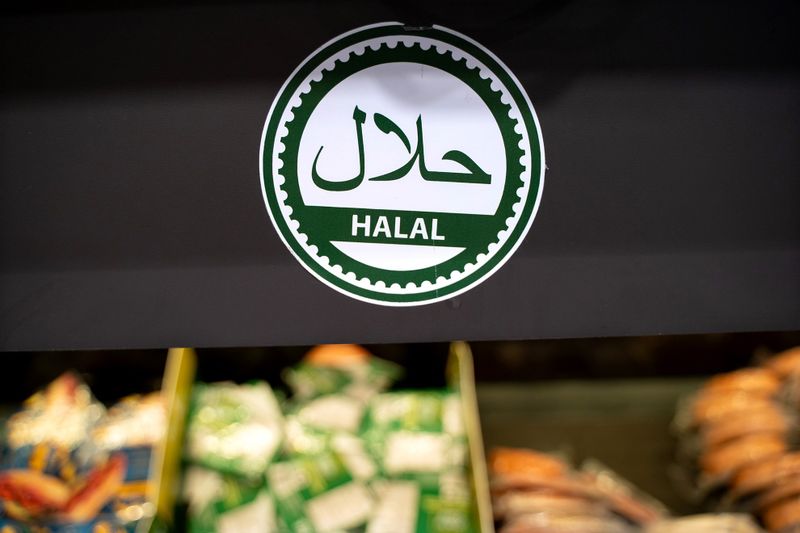
The ongoing debate over halaal food in South Africa has been fueled by misunderstandings about Islamic practices and religious freedom, according to experts. A controversial video posted by content creator Sokhana Saliwa in October sparked nationwide discussions, with Saliwa expressing concerns over the growing prevalence of halaal-certified products and restaurants despite Muslims making up only 2.6% of the population.
However, anthropologist Shaheed Tayob clarified that halaal slaughter, which involves severing an animal's jugular vein while retaining the spinal cord and invoking God's name, is a globally adopted practice. He emphasized that this method is not about sacrificing animals to Allah but rather a technique to minimize blood impurities, ensuring the meat's longevity.
Tayob also debunked the notion that halaal food is strictly about the method of slaughter. Rather, it refers to any food deemed permissible or lawful under Islamic law. This includes foods from sources specifically prohibited in the Qur'an or Islamic narrations, such as pork, alcohol, and carrion. Common halaal foods include beef, lamb, chicken, and fish, provided they are prepared according to Islamic slaughtering practices.
The South African National Halaal Authority, along with other certification bodies, plays a role in verifying products and establishments as halaal. These bodies provide voluntary certification, and the absence of a halaal label does not automatically mean a product is non-halaal. This complex landscape of halaal labeling reflects the growing intersection of culture and religion in South African consumption patterns.
Written by urgent.news from Daily Maverick's reporting — not their text. Machine-written — may contain errors; check the original before relying on it.