Chinese engineers reduce cargo ship fuel use by 5% with high-speed torpedo tech
Supercavitating torpedoes can reach extreme underwater speeds by travelling inside a gas-filled cavity that sharply reduces their contact with water. Beyond torpedoes, supercavitating projectiles can streak through the water at blistering speeds to intercept naval mines, incoming torpedoes and unmanned underwater vehicles, and even combat divers. Now, Chinese engineers are applying a related…
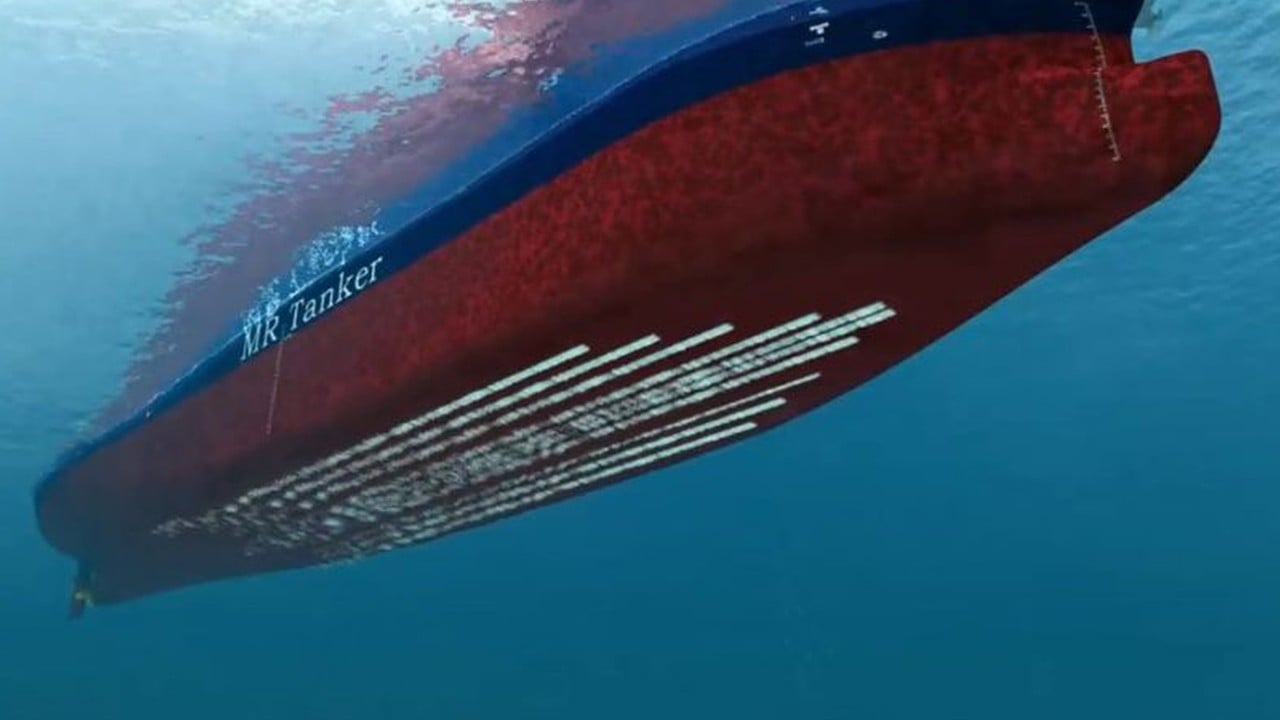
Chinese engineers have developed a high-speed torpedo technology that also significantly reduces fuel consumption in cargo ships. Through a bubble-lubrication system, the Shanghai Merchant Ship Design and Research Institute was able to cut energy usage by about 5 percent during a five-month trial period on a 50,000-tonne product and chemical tanker.
This reduction could lead to substantial savings in operating costs for large commercial vessels. For example, a 5 percent decrease in fuel consumption for a ship of this size, which typically uses around 20 tonnes of fuel per day, would equate to approximately one tonne of fuel saved each day. The system is versatile and can work with different energy sources, including liquefied natural gas, electricity, methanol, or ammonia.
It is compatible with various types of commercial vessels, such as a 3,300 TEU feeder container ship. The technology has been recognized and inspected by Italy’s classification society Rina and the China Classification Society. This advanced system builds upon a previous version that was tested successfully on a different vessel in 2022.
Engineers aimed to improve the initial design by eliminating the need for manual operation, introducing an automated control system that adjusts air supply based on the vessel's speed and draft. Additionally, a digital operational support system monitors and analyzes the ship's energy efficiency in real-time. The bubble-lubrication system continuously injects compressed air beneath the ship's hull, creating a layer of microbubbles that alters the water flow near the hull.
This alters the water flow near the hull, reducing frictional resistance and decreasing the energy needed to propel the vessel. However, the extent of energy savings depends on whether the reduction in propulsion power offsets the extra electricity consumed by the compressors producing the bubbles.
Written by urgent.news from Reuters Business via SCMP's reporting — not their text. Machine-written — may contain errors; check the original before relying on it.