Can Beauty Make Us Good?
For more than three decades, the critic Elaine Scarry has been arguing on behalf of the beautiful—as a worthwhile subject for study, and as a force capable of making us more just.
Can Beauty Make Us Good?
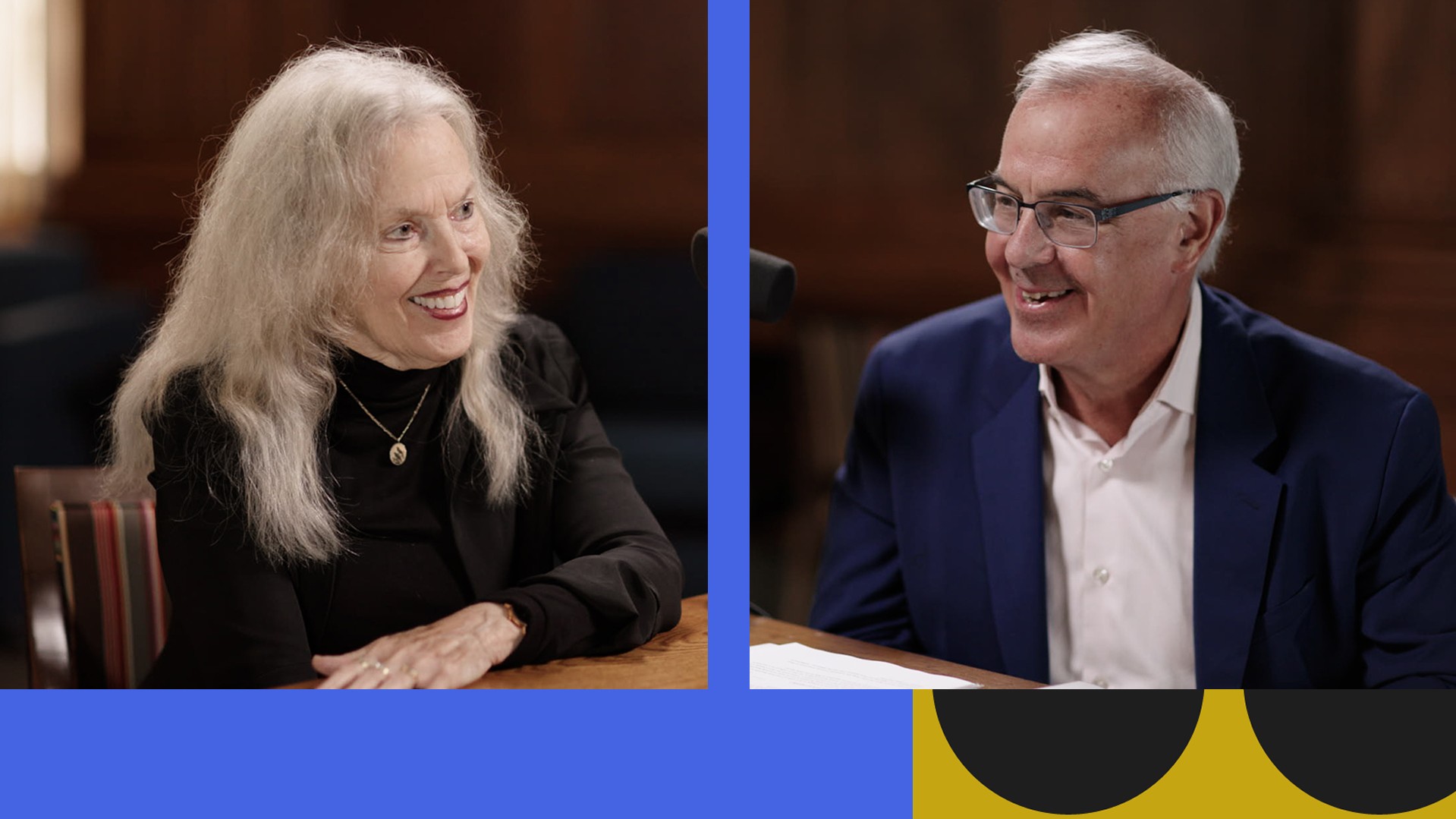
Beauty, a subject of enduring human inquiry, is often perceived as subjective or merely decorative. However, the art world and academic humanities have long debated the true nature and significance of beauty. David Brooks engages with Harvard professor Elaine Scarry, whose groundbreaking 1999 book, "On Beauty and Being Just," reignited interest in the topic 25 years ago. In this conversation, Brooks explores the notion that experiencing beauty can indeed make us better individuals.
Scarry posits that the appreciation of beauty has been systematically undermined in academia and the artistic community. She argues that exposing people to beauty can be a powerful force for humanization and personal growth. Brooks, acknowledging his own aesthetic limitations, shares personal anecdotes of moments when beauty has profoundly impacted him, emphasizing the transformative nature of such experiences.
Scarry draws an interesting analogy between the acquisition of color vision in children and the development of one's perceptual ability to appreciate beauty. She suggests that, much like children gradually learn to identify colors, adults can cultivate their capacity to perceive beauty. This notion is supported by the observation that the average adult can discern around 26,000 colors, a vast range that increases our ability to connect with the world around us.
The conversation delves into the concept of "perceptual care," a term coined by Scarry, which suggests that engaging with beauty requires a deliberate and attentive approach. It's not merely about passively observing but actively cultivating an awareness and appreciation for the aesthetic aspects of our surroundings. Scarry argues that beauty serves as a constant reminder to engage in rigorous perceptual care, awakening us to the standards of excellence that permeate our world.
Brooks reflects on the idea that beauty, by elevating our perceptual awareness, has the potential to shape our character and behavior. As we become more attuned to the beauty that surrounds us, we may be inspired to act in ways that align with our newfound appreciation for excellence and harmony. The discussion highlights the profound impact that beauty can have on our personal development and the potential for it to contribute to a more humane and just society.
Written by urgent.news from The Atlantic's reporting — not their text. Machine-written — may contain errors; check the original before relying on it.