Banana producers in Latin America want better pay to cope with effects of climate crisis
Farmers face big drop in production from extreme weather during this year’s super El Niño event Banana producers in Latin America are calling for better pay to help cope with the impact of the climate crisis, as they face big drops in production resulting from extreme weather during this year’s super El Niño event. High winds in parts of Colombia, one of the biggest suppliers to the UK market…
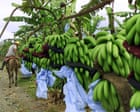
Farmers cultivating bananas in Latin America are demanding higher wages to help them deal with the consequences of the climate crisis, as extreme weather during this year’s strong El Niño event is expected to significantly reduce their production. Widespread high winds in Colombia, predicted droughts in some regions of Peru and Ecuador, and heavy rainfall are already affecting banana production, according to the Fairtrade Foundation.
During the previous El Niño cycle, productivity dropped by 13% in the Dominican Republic, 22% in Ecuador, and 6% in Peru compared to the previous year.
Climate and environment lead at Fairtrade, Dr Carley-Jane Stanton, warns that this El Niño could bring more extreme weather, including heavy rain and strong winds, leading to more severe impacts on producers than in the 23-24 cycle. Evidence suggests that exports from the Colombian Caribbean region fell 32% to $122m between July and September this year, with September shipments down 42% year-on-year.
Ever Antonio Flores Muños, a worker at a Colombian banana producer, told Fairtrade that climate change has made farming increasingly difficult, with hotter temperatures and intense weather causing flooding and strong winds that have led to crop losses. He fears that this will negatively affect his wages and the future of his workers.
Fairtrade is pushing for UK legislation to address unfair trading practices, such as low or delayed payments to farmers and contracts that shift risks down the supply chain. This, they argue, would enable producers to invest more in making their crops more resilient to severe weather and reduce the likelihood of pests and diseases.
While some supermarkets, such as Sainsbury’s, the Co-op, and Waitrose, have taken voluntary steps by sourcing Fairtrade bananas, which guarantee a minimum price, Fairtrade believes more needs to be done. CEO Eleanor Harrison stresses that the UK's banana supply depends on producers having the resources to adapt to climate change and improve their future. She emphasizes that fair prices, climate resilience, and decent work are interconnected.
Written by urgent.news from Guardian Business's reporting — not their text. Machine-written — may contain errors; check the original before relying on it.