As South-east Asia embraces AI data centres, communities question the environmental cost
BATAM, Nov 8 — Cooking and bathing became difficult when taps ran dry in Batam, an Indonesian island where re...
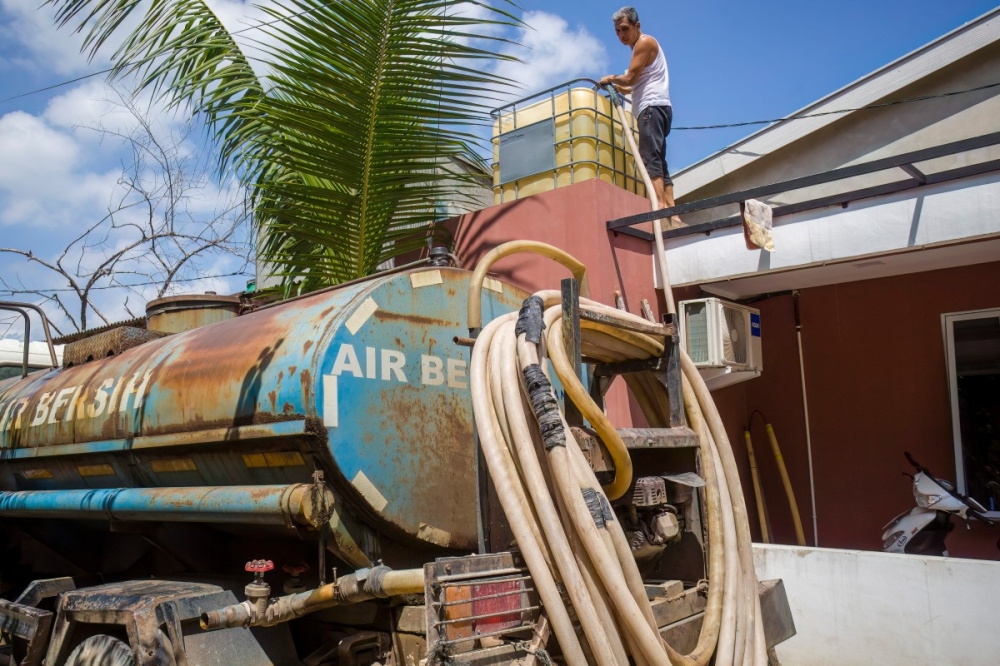
Batam, an Indonesian island, is witnessing protests from residents as data centres sprout to fuel the global artificial intelligence (AI) boom. The region has been experiencing a prolonged drought due to low rainfall and a strong El Nino cycle, causing water shortages that have strained local communities. The water utility operator, Air Batam Hilir (ABH), attributes the drought to weather conditions, while residents claim the water shortages are linked to the construction of data centres.
BW Digital, DayOne, and Princeton Digital Group are among the companies operating or planning to operate data centres at Nongsa Digital Park. In response to the water crisis, authorities have instructed developers to install seawater desalination plants for cooling to avoid overusing local resources. However, demonstrators allege that the water supply remains smelly and yellowish, prompting some residents to rely on bottled water for daily tasks.
The government has been distributing water from tanks, but residents complain about its quality. The mayor of Batam, Amsakar Achmad, denies that data centres are responsible for the water shortage, attributing it to weather and climate factors. Despite the controversy, the AI data centre boom in Southeast Asia is projected to triple by 2030, driven by a tenfold increase in AI usage.
Written by urgent.news from Malay Mail's reporting — not their text. Machine-written — may contain errors; check the original before relying on it.