Antipersonnel mines have returned in Ukraine and now threaten the world
3D printing, microcontrollers and drones have enabled the resurgence of antipersonnel mines in the Russia-Ukraine war, making mines deadlier and more accessible
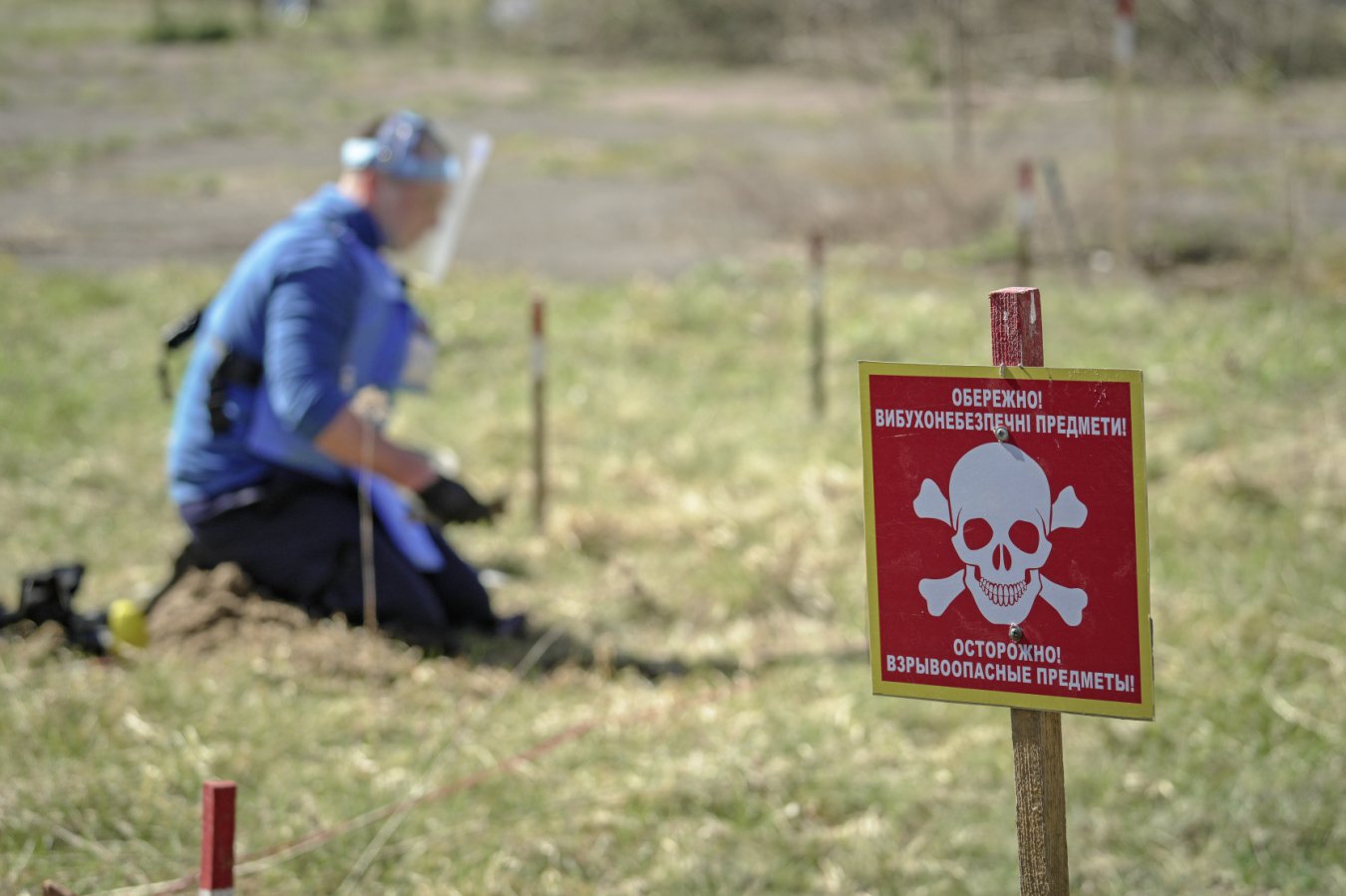
Antipersonnel mines, once considered obsolete, have reemerged in the conflict in Ukraine and now pose a threat to global stability, according to experts. These mines are cheap to produce, sophisticated, and come in various forms, making them both deadly and difficult to detect. Three key technologies have enabled their resurgence: 3D printing, microcontrollers, and drone delivery.
3D printing allows frontline units to create their own mines, while microcontrollers enable more precise triggering. Drone delivery has transformed the way mines are placed, providing greater accuracy and increasing the likelihood of finding a victim. Russia is reportedly using drones to drop mines on civilians in Kherson. This combination of technologies has made mines more dangerous and accessible.
Human rights organizations and the UN have documented Russian forces using drones to target civilians. The threat from these mines endures long after conflicts end, as they can remain active for decades. Despite the Ottawa Treaty banning them, several countries, including Ukraine, have suspended their implementation. The war in Ukraine has shown that these simple devices can be produced rapidly by groups with access to explosives, potentially expanding the use of mine warfare globally.
While technology may offer some solutions, such as AI-enabled drones for detection and disposal, experts warn that the threat from antipersonnel mines is growing as more states and non-state actors adopt these effective and inexpensive weapons.
Written by urgent.news from New Scientist's reporting — not their text. Machine-written — may contain errors; check the original before relying on it.