Ancient Maya's red pigment left toxic mercury legacy, new study finds
Ancient Maya civilization used a red pigment made of mercury-rich cinnabar for decoration and rituals. This practice led to significant mercury contamination of nearby lakes and ecosystems. Research indicates that rising mercury levels impacted aquatic organisms and may have affected human health. Previous studies have also shown similar contamination at various Maya sites, raising concerns about…
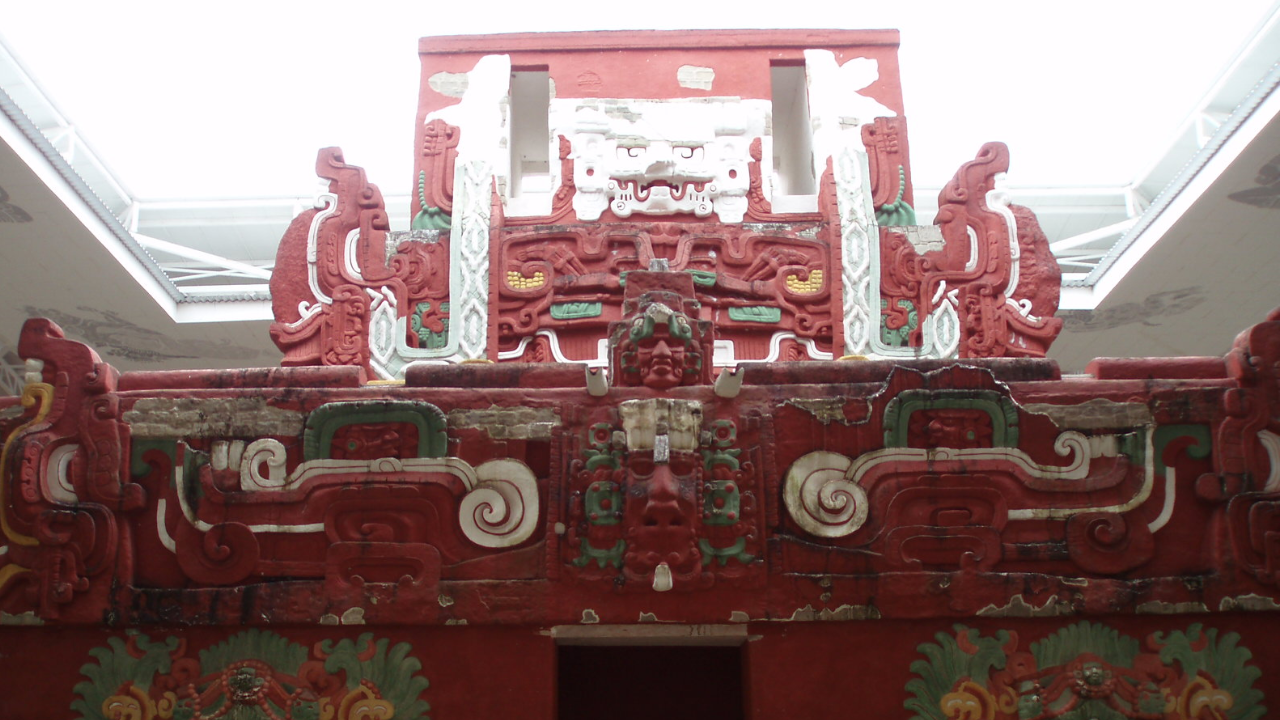
A new study shows that the ancient Maya inadvertently poisoned their waterways with mercury when they applied massive amounts of red paint to their art and ceremonial objects. The red pigment used, cinnabar, contains mercury which was transformed into toxic methylmercury in lake sediments by anaerobic bacteria. This mercury accumulation led to a decline in freshwater fisheries, a key food source for the Maya, who depended heavily on fish and shellfish.
The study, published in Science Advances, analyzed mud sediments from the Yucatán Peninsula dating back 2,000 years and found extreme mercury levels in two sites, Cobá Lake and Cenote Xcach. Mercury levels in the most polluted sediment reached 2.3 parts per million, far exceeding safe levels for human consumption. The researchers found that the toxin caused the death of freshwater shellfish and reduced algal blooms, indicating severe environmental damage.
While the Maya collapse is attributed to drought, the new findings suggest mercury poisoning could have been a contributing factor, particularly in the Yucatán Peninsula where cinnabar imports stopped around A.D. 520.
Written by urgent.news from Live Science's reporting — not their text. Machine-written — may contain errors; check the original before relying on it.
This story
This is one outlet's version. Read the fullest account.