A sample of over 5,000 drives reveals one problem with new HDDs
HDDs may not be as in-demand as the faster SSDs, but they're still plenty popular thanks to their low cost. And yet, this sample study reveals the big issue.
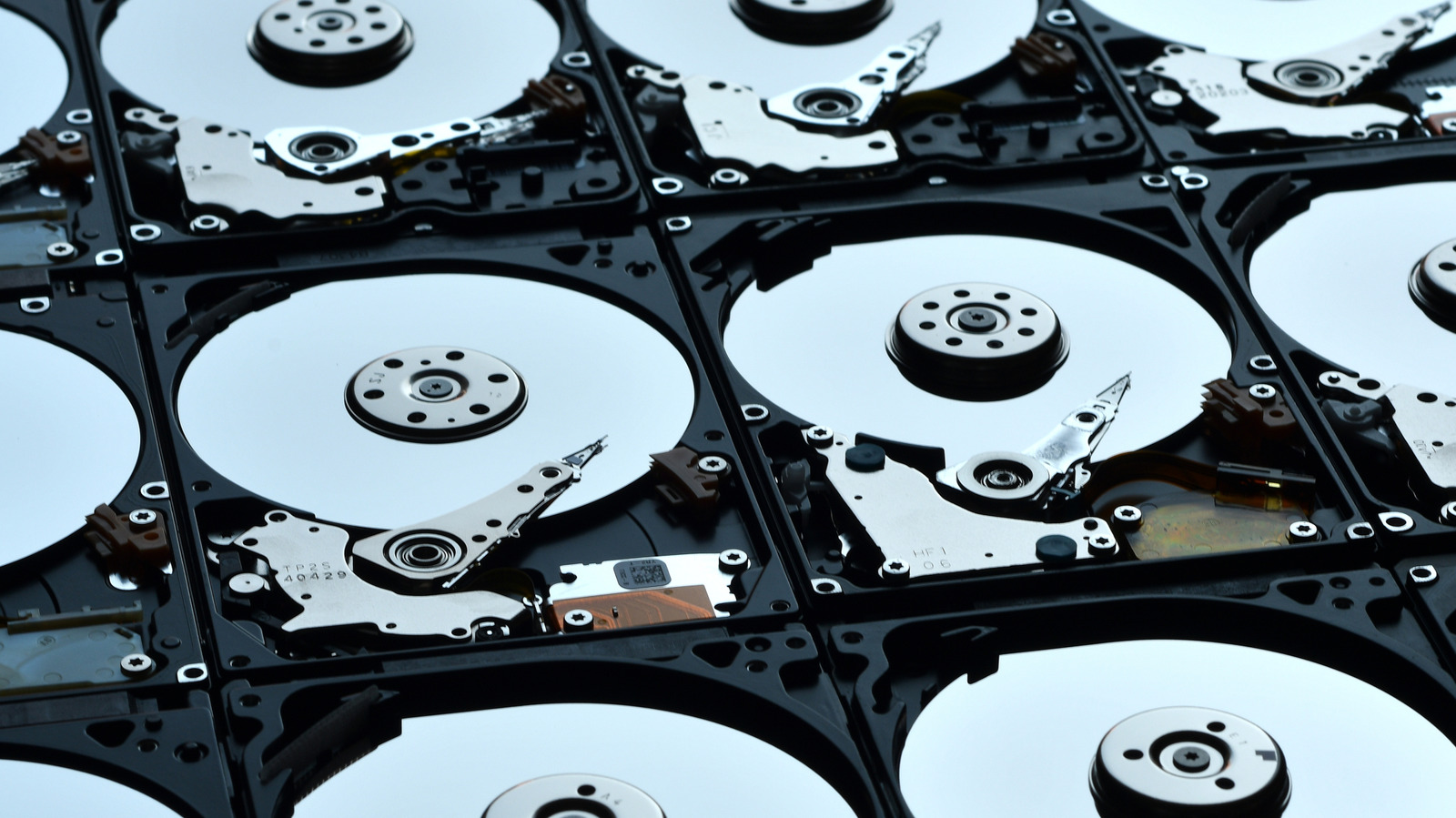
A recent examination of over five thousand hard disk drives reveals a recurring issue, with many failing within the first year. Those that do not always provide warning signs before succumbing to failure. According to data from cloud storage giant Backblaze, approximately 1.5% of all HDDs fail, with nearly half of those failures occurring within the first year. A significant number of these failed drives cease functioning without any prior indication.
This data is corroborated by Secure Data Recovery's findings, based on their experience with failed drives. Both sources report similar failure rates, with an average lifespan of 807 days for failed HDDs. Failure can stem from various causes, including production defects such as head misalignment or seized motors, accidental damage like power surges or drops, and deterioration of the drive's internal operating system.
Backblaze has consistently shared statistics on its large fleet of drives for years, revealing that Seagate HDDs exhibited the highest mechanical reliability during the April-June 2026 period, although individual models' reliability varied. Manufacturers like Hitachi, Seagate, and Western Digital generally dominate in such comparative analyses.
While the inherent mechanical unpredictability of HDDs presents a risk, it's essential to note that they remain considerably cheaper per gigabyte compared to alternative storage options, especially as the demand for SSD (solid state drive) storage in AI data centers pushes prices upwards. Despite their slower speed, the cost advantage of HDDs makes them attractive for high-capacity storage, enabling the construction of RAID systems based on HDDs at a fraction of the cost of a single high-capacity SSD.
The data highlights a correlation between HDD failure rate and age, suggesting drives become increasingly prone to failure after seven years. This implies that if data preservation is a priority, a replacement schedule for aging drives or supplementary storage solutions may be necessary.
While these failure rates may seem concerning, they are reflective of the technology itself. The advancement of technology, such as emerging HDD innovations like SMR (Shingled Magnetic Recording) and laser-heated HAMR (Heat-Assisted Magnetic Recording), could potentially improve durability. However, these technologies are still in development and have not yet been widely adopted.
Given these insights, it's crucial to devise a storage setup that accounts for potential failure, whether through a combination of cloud, local, and off-site storage systems to safeguard against data loss from theft, fire, or mechanical failure. For those currently utilizing HDD storage, monitoring its condition and investing in additional storage to ensure data integrity are recommended measures.
Written by urgent.news from Engadget's reporting — not their text. Machine-written — may contain errors; check the original before relying on it.