Your EV's battery is big enough to run your house — here's what stops most people
Today's EV batteries could let you power specific appliances or your entire house. But a few factors line up to make that idea a non-starter for most folks.
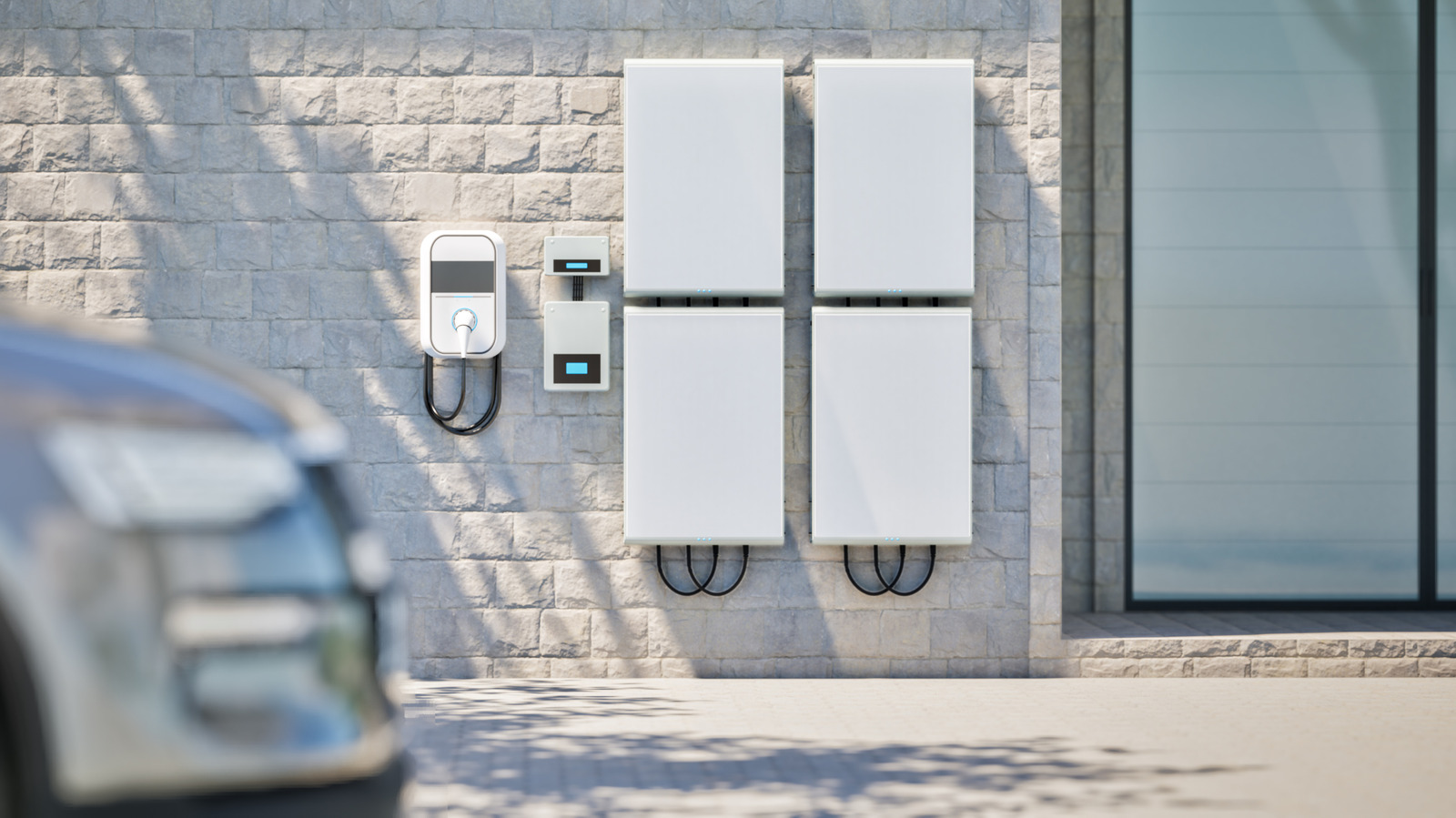
Your electric vehicle (EV) battery may be powerful enough to run your entire house, but numerous factors can hinder this potential. While EV batteries often surpass standard home battery capacity, compatibility issues can impede effective use. Consider the battery capacity measured in kilowatt-hours, which dictates how long you can run devices.
Power output, measured in kilowatts, determines which appliances can be operated simultaneously. The vehicle-to-home (V2H) system, crucial for transferring energy back to the house, must accommodate startup surges from appliances like air conditioners and refrigerators. However, compatibility remains a significant hurdle. Not all EVs possess bidirectional operation or a suitable V2H system, and standard chargers typically don't work in reverse.
Bidirectional chargers, inverters, and compliant hardware are often required, leading to potential installation expenses. Moreover, frequent use of the EV battery for home backup can shorten its lifespan and reduce driving range. It's essential to ensure that the EV model supports outage backup at your specific location and that installation quotes are obtained to confirm compatibility with your home's electrical infrastructure.
Written by urgent.news from Engadget's reporting — not their text. Machine-written — may contain errors; check the original before relying on it.