Why you should never put your PlayStation 5 on a carpeted floor
The PlayStation 5 needs to stay cool when playing games, and a carpet is a literal hotbed. Here's the best ways to store a PS5 while keeping it cool.
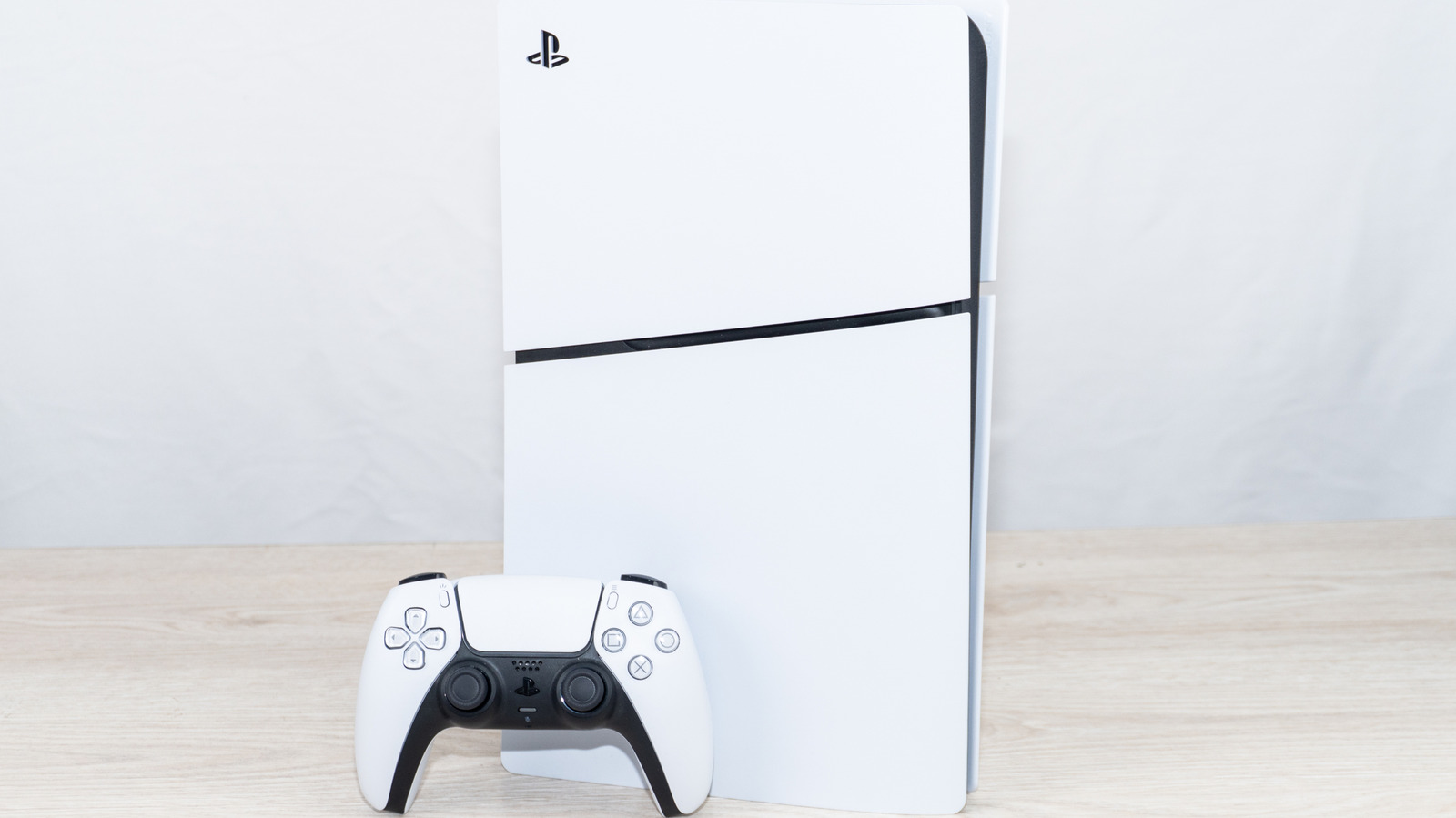
Putting your PlayStation 5 on a carpeted floor is a hazardous choice. While Sony's guidelines are vague, it's clear that carpet poses significant risks. Its tiny particles, including dust, bacteria, and viruses, can accumulate within the console's vents, hindering airflow. Moreover, putting any console on the floor invites accidental damage from foot traffic.
The Slim and Pro models have vent ports close to the floor, making them particularly vulnerable. Ideally, a PS5 should have at least 4 inches of clearance on all sides, but even horizontal placement on carpet is not recommended. A small table or open stand is a safer alternative, ensuring the console has ample breathing room. Regular maintenance, such as cleaning the vents, is crucial to prevent overheating and potential damage to internal components.
Additionally, prolonged exposure to carpeted flooring, especially for first-generation consoles, can lead to liquid metal thermal paste displacement, resulting in system crashes and loud fan noises. If you notice any of these signs or your PS5 is consistently overheating, it's a clear indication that it needs to be moved. Regular upkeep and mindful placement will ensure the longevity of your console, regardless of its model.
Written by urgent.news from Engadget's reporting — not their text. Machine-written — may contain errors; check the original before relying on it.