Why you don't really need an expensive, high-end router
Getting a top-of-the-line router won't necessarily increase your internet speeds. Here's what you need to know before you buy.
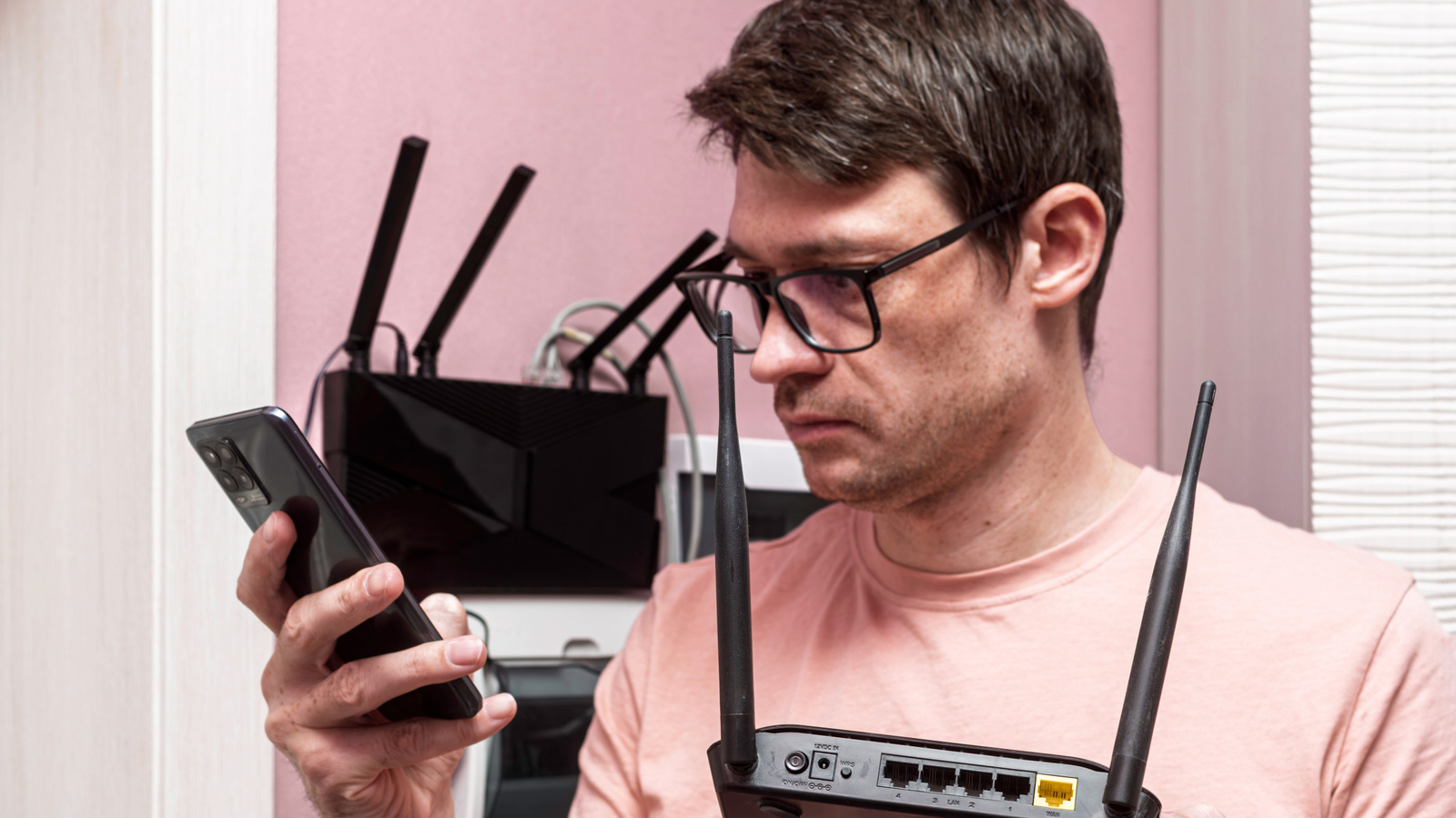
Spending a lot on a high-end router might not be necessary for the average household. While budget routers from brands like Netgear or TP-Link can be purchased for under $100, they are more than capable of handling the majority of what a typical home requires. This is because a router's primary function is to share the connection provided by your internet service provider, and it does not have the ability to make your internet speed faster than what your plan offers.
Checking your plan's speed before purchasing a router is essential, as there is no benefit to investing in a router that transfers more data per second than what is available through your wall socket.
Four factors should be considered when choosing a router: wired connections, Gigabit ports, scheduling features, and Wi-Fi standards. Wired connections remain the most reliable way to connect desktops, consoles, and smart TVs. Gigabit ports allow for faster data transfer when plugging devices directly into the router, useful for managing screen time and blocking content on children's devices.
Wi-Fi 6 is a protocol that allows multiple devices to connect more efficiently, providing a significant improvement in daily use by preventing devices from competing for bandwidth. However, the location of the router is equally important as its speed, as a fast router placed in an inconvenient location may still result in slow Wi-Fi speeds in the areas where you primarily use it. Larger homes may benefit from a mesh system or an additional access point to ensure consistent coverage throughout the space.
Higher Wi-Fi standards, such as Wi-Fi 7, offer faster theoretical speeds through larger channel widths in the 6GHz band. However, these speeds are only achievable if all devices connected to the router support Wi-Fi 7, and even then, the speeds are not guaranteed in a typical living room. Most expensive routers are currently Wi-Fi 7-enabled, but these routers may not provide any advantages for users with older devices.
The right router depends on the number of people and devices in the household. A single or two-person household, or even a four-person household with basic internet usage, can easily be satisfied with a budget router or a mesh system for a larger area. Only larger homes or homes with multiple high-bandwidth devices, such as in a home office or for gamers, might benefit from a more expensive router, potentially justifying the higher cost.
Written by urgent.news from Engadget's reporting — not their text. Machine-written — may contain errors; check the original before relying on it.