What to look for when buying high-protein packaged foods
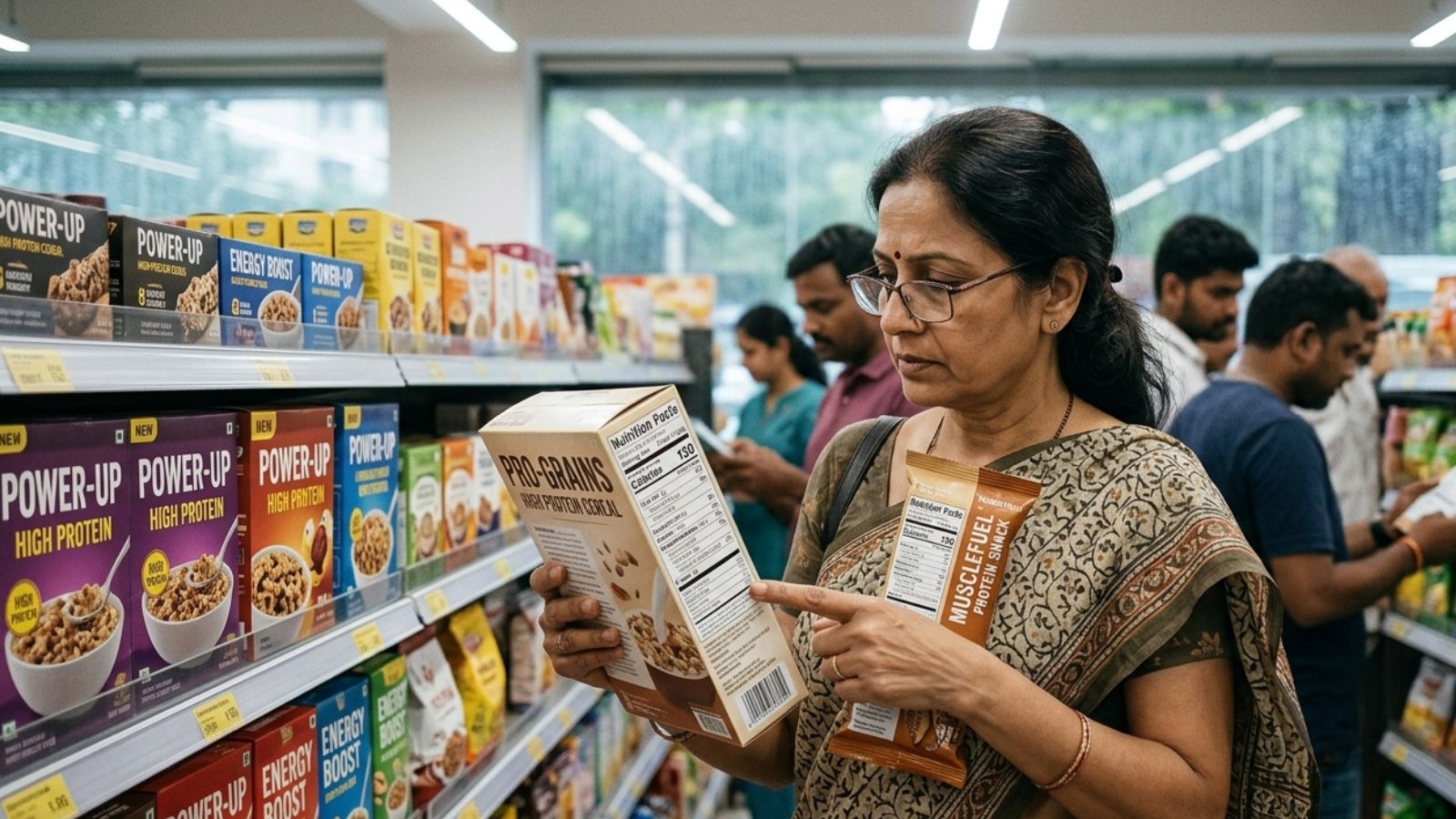
When purchasing packaged foods marketed as high-protein, there are several factors to consider to ensure they are truly nutritious. Dietitian Garima Goyal emphasizes that simply seeing "high-protein" on the package does not guarantee the food's overall health or nutritional superiority.
The first step is to read the nutrition label, not just the front of the packaging. A product may claim added protein, but the actual amount per serving might still be modest. Consumers should compare protein content per 100 grams and per serving, rather than relying on marketing claims.
Serving sizes can be deceiving as well. For example, a snack with 10g of protein in a 100g package provides only 2g if you eat 20g. Always calculate the actual protein intake based on the portion size you consume.
Beyond the protein content, it's important to consider the entire nutritional profile. A product with added protein may also contain high levels of added sugar, sodium, saturated fat, or calories. Protein fortification does not automatically make a food healthier. Therefore, it's crucial to examine the full nutrition label and ingredient list before deciding if the product is a worthwhile addition to your diet.
The source of protein also matters. Ingredients like milk solids, whey, soy protein, and pea protein are used to boost protein content. While these ingredients contribute to the protein amount, their individual nutritional qualities differ. However, the nutrition label remains the key to understanding the product's true makeup.
In India, the Food Safety and Standards Authority of India (FSSAI) regulates nutrition claims on packaged foods. According to its Advertising and Claims Regulations, a "high protein" claim must meet specified criteria to be valid. Protein does not need to come exclusively from packaged foods. Nutritious dietary sources include milk, curd, paneer, eggs, fish, chicken, soy, and pulses.
The appropriate daily protein intake varies based on factors such as age, activity level, and health status. Ultimately, a genuinely nutritious choice aligns with your individual dietary needs, rather than merely carrying a high-protein label.
Written by urgent.news from The Indian Express's reporting — not their text. Machine-written — may contain errors; check the original before relying on it.