Was TraffiTech-GH designed to raise revenue for gov’t? – Fiifi Boafo questions 60% share of fines
Former COCOBOD Director of Public Affairs, Fiifi Boafo, has questioned the government’s decision to take 60 per cent of fines generated under the TraffiTech-GH system, suggesting that the arrangement raises concerns about whether the initiative is intended to improve road safety or generate revenue for the state. According to him, the government’s share of the […]
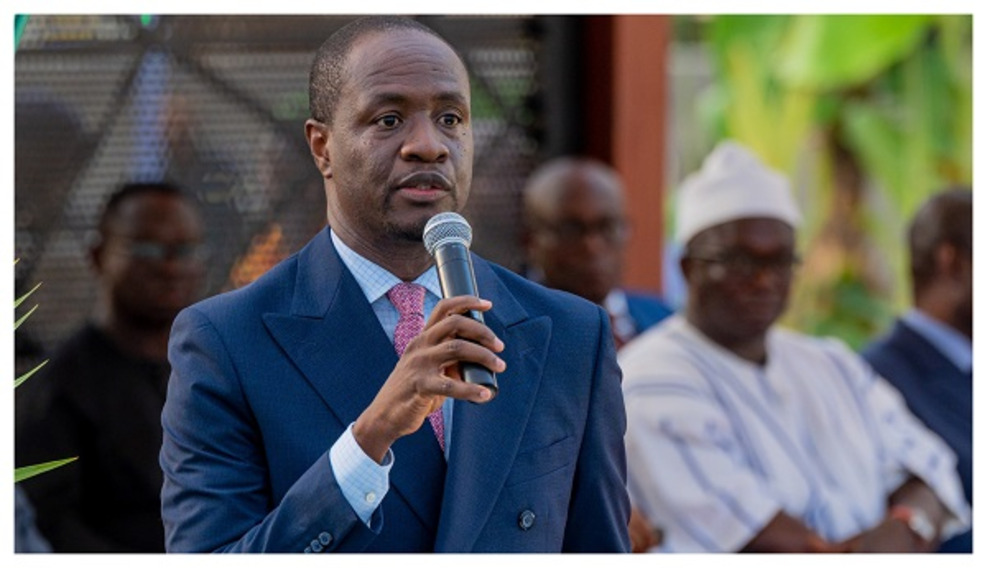
Former COCOBOD Director of Public Affairs, Fiifi Boafo, has raised questions about the government's decision to claim 60 per cent of fines generated by the TraffiTech-GH system. Boafo expressed concerns that the arrangement may suggest the initiative's primary objective is to generate revenue for the state rather than enhance road safety.
Speaking on JoyNews' Newsfile, Boafo stated that while promoting road safety is commendable, transparency regarding the initiative's goals is crucial. He questioned whether the TraffiTech-GH system was designed primarily to penalize traffic offenders, discourage illegal driving practices, or generate additional government revenue.
Boafo's focus centered on the revenue-sharing model, under which private investors are set to receive 40 per cent of the penalties collected, while the government retains 60 per cent. He raised doubts about the rationale behind the government's share, especially considering the private investors' involvement in the project's initial funding.
Boafo queried the purpose of the government's share, particularly when the state did not contribute directly to the project's setup. He inquired about the purpose of the 60 per cent allocation to the government, suggesting that it might serve to raise funds for the government. Boafo drew parallels with other jurisdictions where governments directly fund similar traffic enforcement systems to avoid burdening motorists with this financial obligation.
While he supported private sector participation, Boafo emphasized the need for the government to explain why it receives 60 per cent of the fines collected. He expressed worry that the arrangement might place additional financial strain on Ghanaians who are already facing multiple economic pressures. Boafo maintained that if the fines' proceeds were intended to fund the system's operation and maintenance, the arrangement should be transparently communicated to the public.
He warned that if revenue generation became the central focus, it could undermine the initiative's stated road safety objectives. Boafo concluded by asserting that if the primary goal of the TraffiTech-GH system is to generate revenue for the government, its objective shifts from preventing traffic violations to raising funds for the state.
Written by urgent.news from Adom Online's reporting — not their text. Machine-written — may contain errors; check the original before relying on it.
This story
This is one outlet's version. Read the fullest account.