University students face higher research licensing fees under proposed changes
NAIROBI, Kenya, Nov 7 – University students and other researchers could pay higher licensing fees under proposed changes to Kenya’s research regulations, which seek to increase annual collections by the…
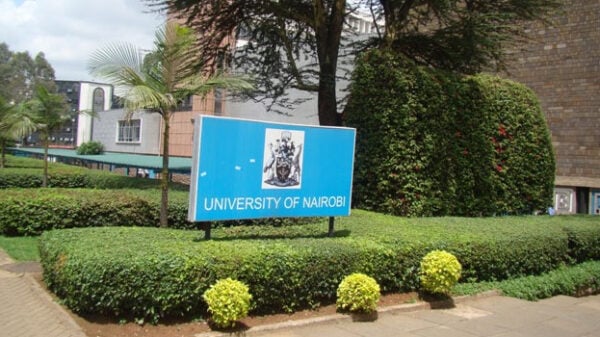
Nairobi, Kenya – Kenya's National Commission for Science, Technology and Innovation (NACOSTI) could see higher research licensing fees under proposed changes, which would boost annual collections from Sh53 million to Sh100 million. The proposed Science, Technology and Innovation (Research Licensing) Amendment Regulations, 2026 have received backing from the National Assembly Committee on Delegated Legislation, paving the way for a review of fees that have remained static since 2009.
However, committee members expressed concerns over the potential impact on university students and researchers, noting that rising education and living expenses were already straining household budgets. Committee chair Samuel Chepkonga urged the government to take students' financial situation into account when revising the fees.
Principal Secretary for Science, Research and Innovation Shaukat Abdulrazak informed the committee that current fees fail to reflect advancements in research and technology, such as artificial intelligence, biotechnology, and genomics. He suggested that some fees, including the Sh100 charged for diploma-level research licences, were insufficient to ensure proper monitoring and regulation.
NACOSTI CEO David stated that the proposed modifications would increase the commission's annual revenue from approximately Sh53 million to Sh100 million, providing additional resources to oversee research activities.
The committee also questioned how various types of applicants, such as partnerships and non-governmental organisations, would be categorized under the proposed fee structure. They also highlighted discrepancies in the draft regulations, including duplicate entries in the diploma research licensing schedule, which NACOSTI agreed to rectify.
Abdulrazak informed the committee that Kenya currently allocates 0.8 percent of its Gross Domestic Product to research and innovation, falling short of the statutory target of 2 percent. He emphasized the need to bolster local research capacity and lessen dependence on imported technology.
Written by urgent.news from Capital Business's reporting — not their text. Machine-written — may contain errors; check the original before relying on it.