Two Indian soldiers tied to the cannon mouths, blown apart: Diwali execution of 1857
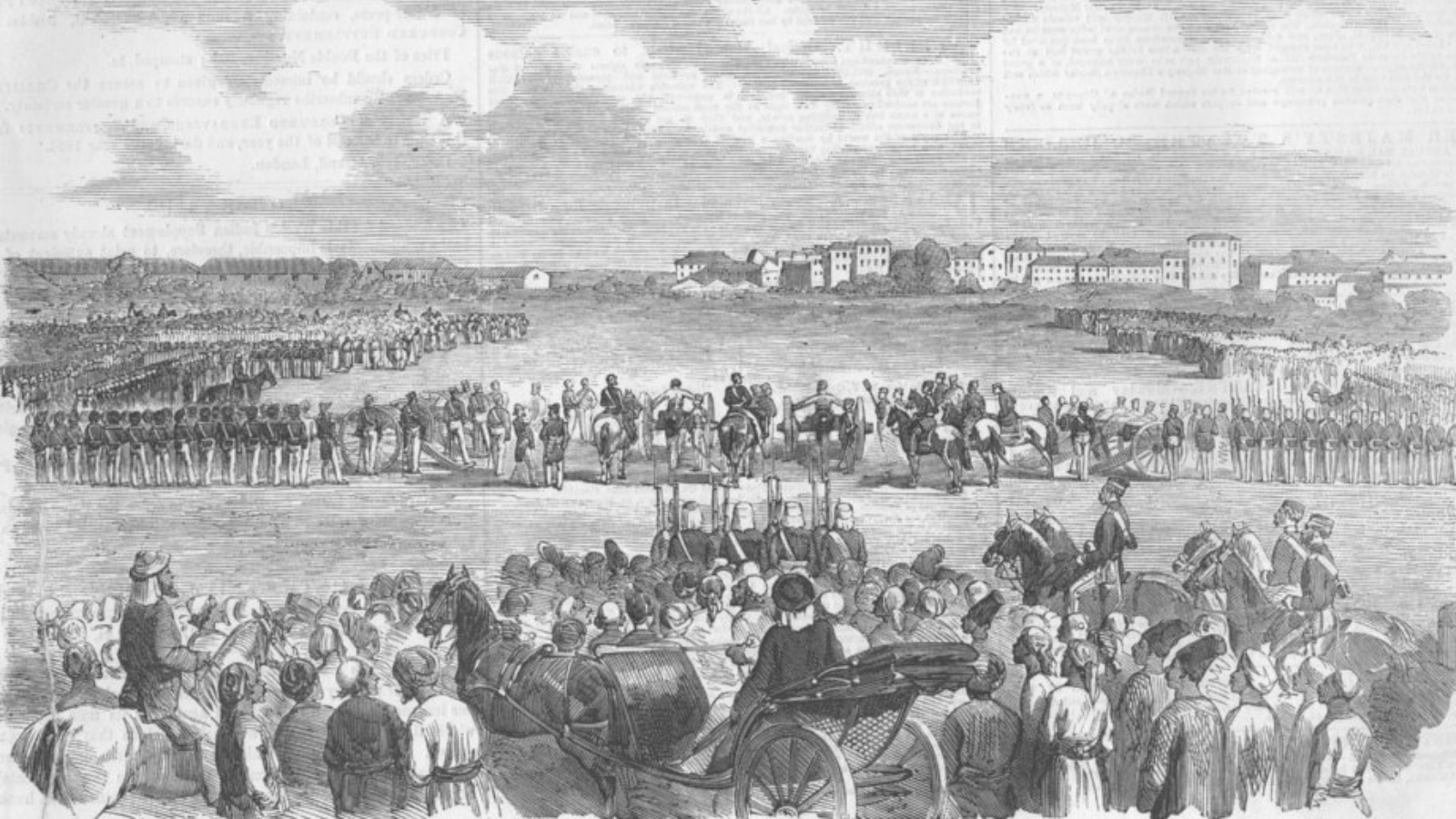
On October 15, 1857, Diwali celebrations in Mumbai witnessed a grim episode as two Indian soldiers were executed for their alleged involvement in a conspiracy against British rule. The soldiers, Drill Havildar Syed Hoossein from the Marine Battalion and Private Mungal Guddrea from the 10th Regiment Native Infantry, were tied to the mouths of cannons on the Esplanade, a location that would later become Azad Maidan.
The execution took place amidst fears that the ongoing rebellion against British rule, which began in Meerut and spread across northern and central India, might reach Bombay. The plot was uncovered by Superintendent of Police Charles Forjett, who conducted surveillance under disguise throughout the city, listening to conversations and gathering intelligence on suspected rebels.
The revolt, which started on May 10 when Indian soldiers in Meerut rebelled against the East India Company, had prompted the Bombay administration to fear the possibility of their own military garrison joining the uprising. The soldiers were convicted by court-martial for their alleged role in the conspiracy and sentenced to death.
The execution was carried out under heavy security by British infantry, Royal Artillery, and armed sailors, with thousands of Indians and Europeans witnessing the event. Following the demolition of the fort walls in the 1860s, the Esplanade was divided into several maidans, one of which became known as Azad Maidan. In 2005, an Amar Jawanjyot memorial was erected near Azad Maidan in honor of the two soldiers who were executed on that fateful day.
Written by urgent.news from The Indian Express's reporting — not their text. Machine-written — may contain errors; check the original before relying on it.