These divers are killing a beautiful coral to save Brazil’s marine life
RIO DE JANEIRO — Beneath the surface of Brazil’s coastal waters, a silent invasion is transforming marine ecosystems. Sun coral (Tubastraea coccinea and Tubastraea tagusensis), an invasive coral native to the Indo-Pacific, is spreading along Brazil’s coastline, threatening native species. First seen in Brazil in the 1980s, attached to an offshore oil platform in Rio […]
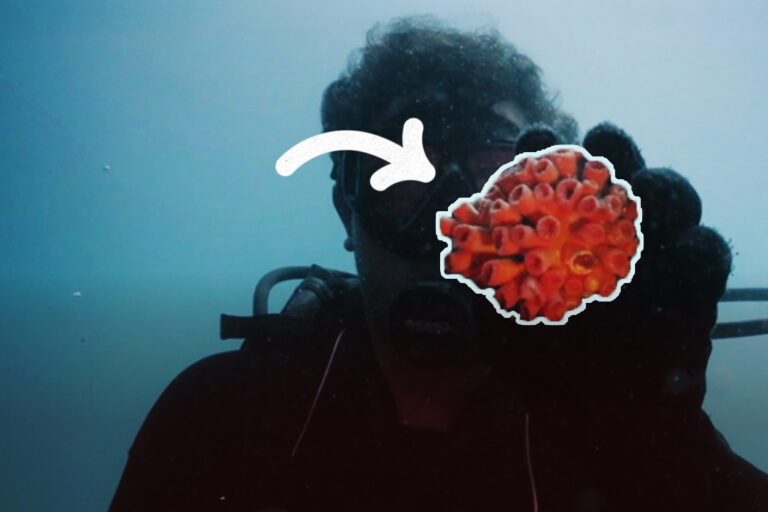
In Brazil's coastal waters, an invasive coral known as sun coral, native to the Indo-Pacific, is quietly taking root and altering marine ecosystems. Discovered in Brazil during the 1980s, this coral has rapidly expanded its territory along the coastline, now extending over 3,500 kilometers of Brazilian shores. With no natural predators to control its growth, sun coral proliferates at an alarming rate, capable of expanding by 2 kilometers per year.
It outcompetes native species for space and releases harmful chemicals, posing a significant threat to Brazil's native brain and star corals. As sun coral encroaches, it disrupts the ecosystem, potentially leading to the disappearance of small reef-dwelling organisms and a decline in fish populations. Once sun coral covers 45% of a rocky reef, the ecosystem can become profoundly altered.
However, Brazil is not standing idly by. In 2018, the country launched a National Plan to prevent, control, and monitor the invasion, involving scientists, conservationists, and public authorities. Leading this effort is Adriana Gomes, a marine biologist with Brazil’s Chico Mendes Institute for Biodiversity Conservation. Alongside a team of volunteer divers, Gomes is engaged in the critical task of manually removing sun coral colonies from the waters surrounding the Cagarras Islands, a protected area.
This hands-on approach may serve as a valuable model for combating invasive species in other countries.
Written by urgent.news from Mongabay's reporting — not their text. Machine-written — may contain errors; check the original before relying on it.