The Pathology in Ghana Politics: Examining institutional governance and the non-aligned citizen
To the international community, Ghana’s Fourth Republic is a democratic success story—a peaceful vanguard of stability in West Africa defined by smooth transitions of power. But for those of us observing from the diaspora, the diagnosis is far more troubling. Even writing from Lebanon, Tennessee, the structural fractures of our homeland are impossible to ignore. […]
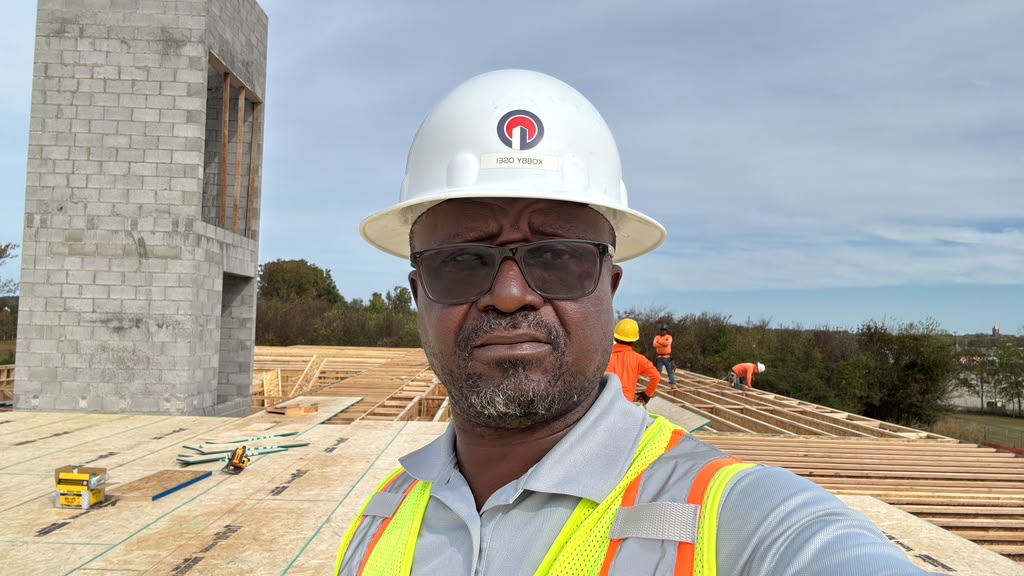
The political pathology of Ghana's Fourth Republic is a systemic disease that has captured the state machinery, turning the rights of citizenship into a conditional privilege. Formerly an NPP supporter, the author now views Ghana's governance through an objective lens, focusing on cost, value for money, structural integrity, and project viability.
The political landscape is characterized by a hyper-partisan duopoly, the New Patriotic Party (NPP) and the National Democratic Congress (NDC), which has led to systematic economic, institutional, and civic marginalisation of non-aligned citizens.
The roots of this political illness can be traced back to the existential rifts that fractured the nation immediately after independence in 1957. The fierce rivalry between the Danquah-Busia-Dombo tradition and the Nkrumaist camp set a dangerous precedent, with state power becoming a tool to protect allies and destroy rivals. Military interventions further reinforced this survivalist mindset, leading to the establishment of the Fourth Republic in 1993, where political parties evolved into militarised patronage machines designed to capture the executive branch at all costs.
The pathological symptoms of Ghana's governance system are evident in the prioritisation of short-term infrastructure projects over long-term sustainable policies. The project lifecycle has been inverted, with sound policies abandoned in favour of easily manipulated infrastructure projects. This project-driven extraction operates as an unwritten convention, with public contracts routinely distributed via non-competitive single-sourcing to party loyalists, often without technical capacity or engineering background.
These insiders act as predatory brokers, selling state contracts to qualified independent contractors for a mandatory 10% commission, while inflating contract values at the ministry level to protect their margins. The result is a catastrophic loss of taxpayer funds and substandard infrastructure, as seen in the abandoned Kufuor Affordable Housing Project and the deteriorating state of roads across the country.
Written by urgent.news from MyJoyOnline Ghana's reporting — not their text. Machine-written — may contain errors; check the original before relying on it.