The American Dream Wasn’t Built for Climate Change
Owning a home is billed as a way to build wealth, but amid climate-related disasters, for many, it's beginning to feel like a trap.
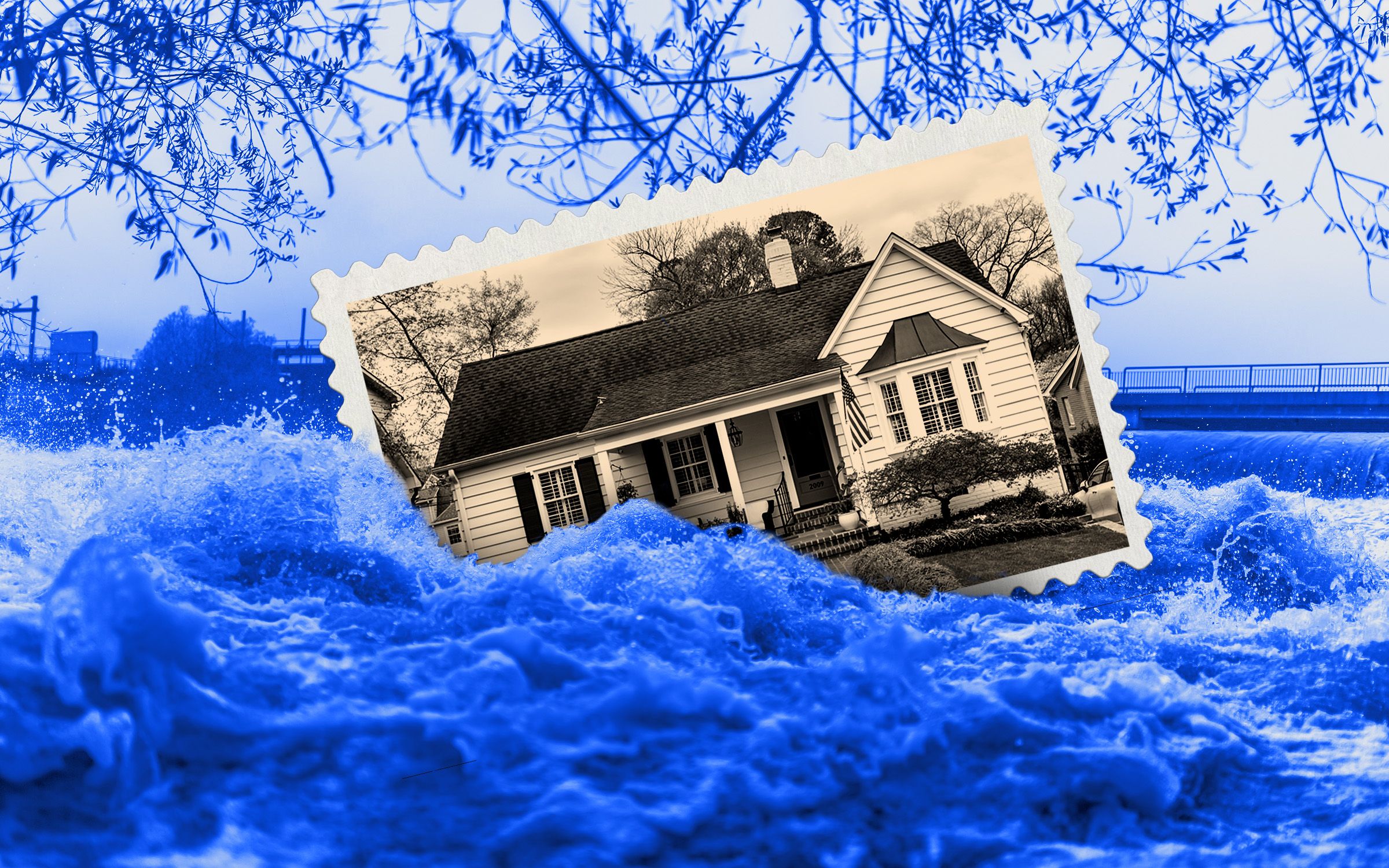
The American Dream, often associated with homeownership, is facing a new challenge in the form of climate change. A couple, Isley and Jamie, moved from Philadelphia to Asheville, North Carolina, to buy a home they admired. However, they faced a setback when they discovered a large lien on the property and decided to rent instead.
Their luck changed when Hurricane Helene hit Asheville, flooding their apartment but not as severely as other nearby properties. Climate change is now posing an unprecedented threat to homeownership, with property values projected to drop by nearly $1.5 trillion by 2055, according to the First Street report. Sociologist Rebecca Elliott warns that the American Dream of homeownership may become a nightmare for some.
Recent polling reveals that 58% of likely U.S. voters believe climate change will hinder their ability to achieve the American Dream in the next 20 years, with 42% of Republicans sharing this concern. The fossil fuel industry has long promoted the idea that their products drive the American "way of life," but this narrative is now being challenged as emissions-driven climate change undermines the very promise of a better life for future generations.
Isley, now wary of homes near water, continues to browse Zillow but looks at properties with caution. Jamie, who is transgender, briefly considered moving to California for more protective policies but dismissed the idea due to fire risks. Asheville, once considered a "climate haven," experienced a devastating flood in September 2024, damaging over 74,000 homes and causing $9.5 billion in uninsured losses.
Home values in the affected areas have declined, with Asheville's average home price shrinking by 5% in the past year. As climate risks continue to rise, housing markets are already pricing in the potential damage, with homes in high-risk flood zones selling for 2.8% less on average. These devaluations, which could amount to $121 billion to $237 billion, are causing significant social harm, particularly in Appalachia.
The overvaluation of homes in these areas highlights the uneven impact of climate change on property values. As the threat of climate change looms larger, the American Dream of homeownership may face a precarious future.
Written by urgent.news from Wired Science's reporting — not their text. Machine-written — may contain errors; check the original before relying on it.