Tectonic forces near Japan helped fuel the formation of the Grand Canyon
A double subduction zone off the coast of Japan caused rifting halfway around the world to accelerate, fueling the formation of some of North America's most iconic features.
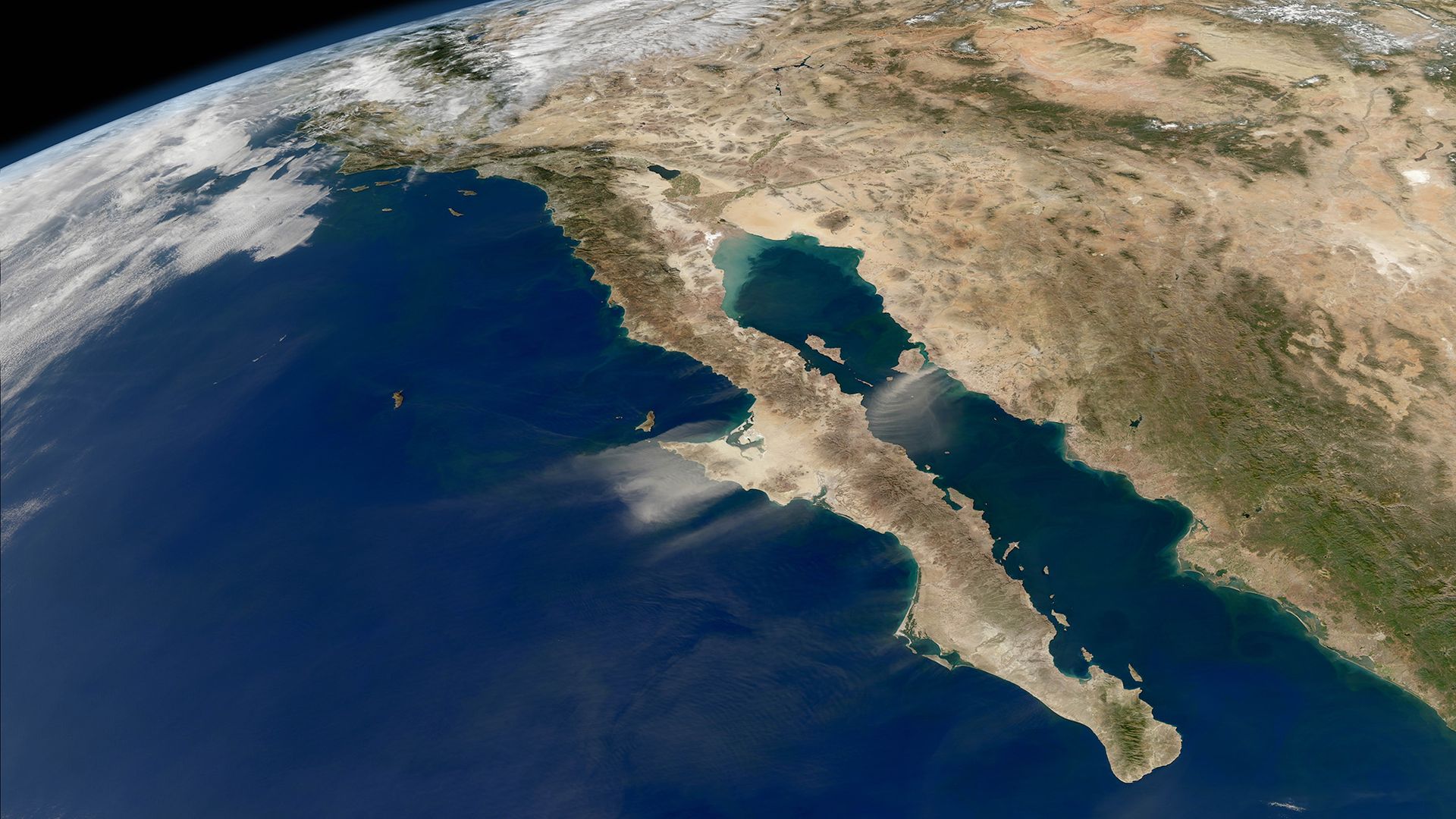
New research suggests that tectonic forces near Japan played a significant role in the formation of the Grand Canyon. The Gulf of California, which created Baja California, was accelerated by a double subduction zone near Japan, over 6,000 miles away. This reorganization caused a transfer of tectonic force across the Pacific plate, leading to the opening of the Gulf of California and ultimately contributing to the Grand Canyon's formation.
Study co-author Thorsten Becker, a geophysicist at the University of Texas at Austin, emphasized that this discovery highlights the global connectedness of plate tectonics and mantle convection, not just a regional curiosity. The Gulf of California is an example of a rift zone, where continental crust pulls apart to create a spot that can be filled with ocean water.
The rifting process in the Gulf of California was much faster than the typical speed of 30 million to 80 million years, taking about 6 million to 13 million years. The researchers used a global model of plate tectonics to investigate the possibility of far-flung forces providing an explanation for the rapid rifting. They found that a transition in the subduction zones near Japan, around 10 million to 12 million years ago, influenced the tectonic forces on the other side of the plate, ultimately affecting the rifting in the Gulf of California.
Written by urgent.news from Live Science's reporting — not their text. Machine-written — may contain errors; check the original before relying on it.