Subtle mood changes in late life may follow early Alzheimer’s brain changes, study suggests
Does brain pathology spark low mood, or the other way around? In older adults without memory problems, buildup of the Alzheimer’s-related protein tau tended to come first, followed by small increases in depressive symptoms.
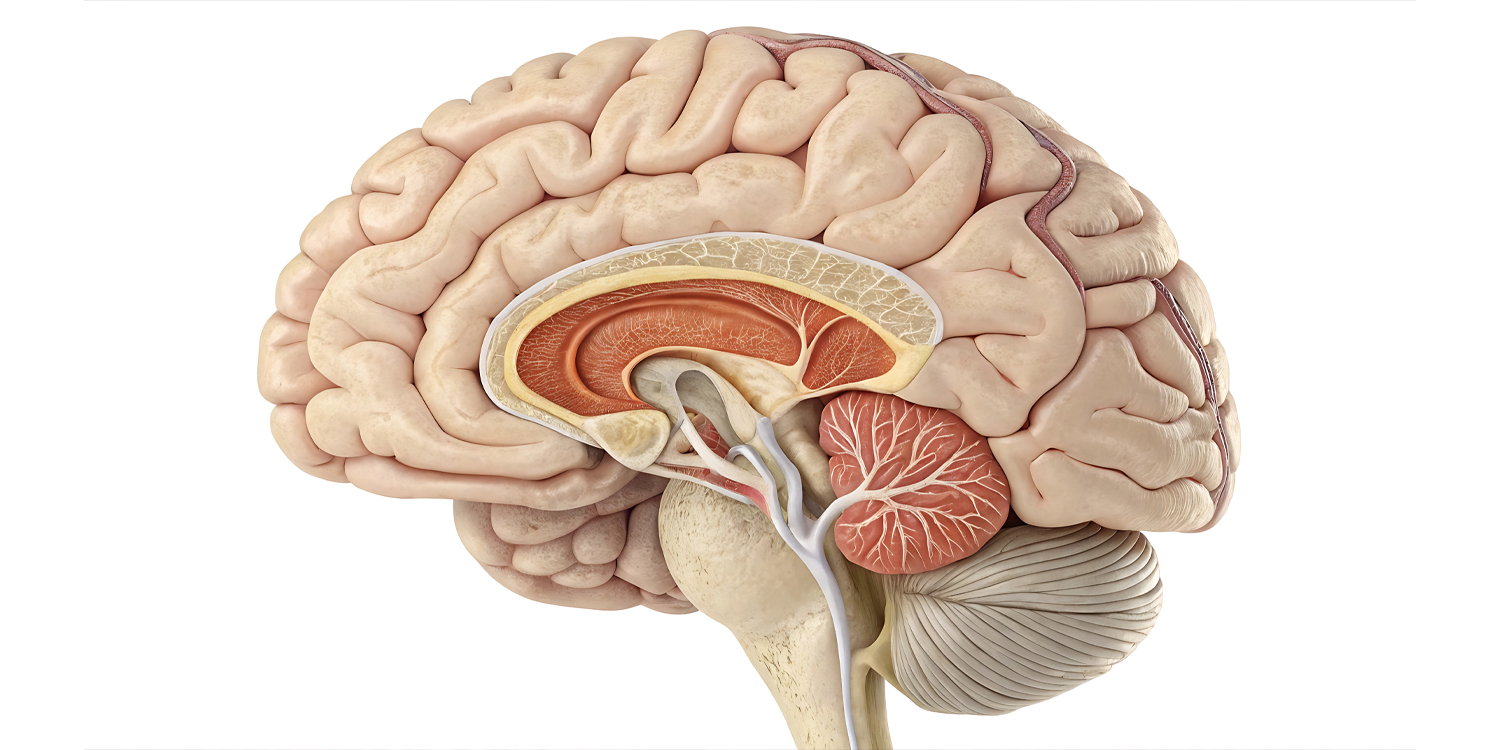
Recent research published in the Journal of Neuroscience suggests that early signs of Alzheimer's disease may manifest as subtle mood changes in older adults, with tau protein buildup in the brain preceding and predicting a rise in mild depressive symptoms. This finding, based on data from the Alzheimer's Disease Neuroimaging Initiative (ADNI), indicates that emotional shifts in late life could be an early consequence of Alzheimer's-related brain changes rather than an independent trigger for disease progression.
The study, led by doctoral student Teodora Z. Markova at Brandeis University, analyzed multi-year brain scan and mood data from 390 older adults, including those with normal cognition and those with mild cognitive impairment or Alzheimer's dementia. None of the participants had clinical depression at the study's onset, but over an average follow-up period of three years, depressive symptoms increased in both cognitively healthy and cognitively impaired individuals.
The researchers employed three statistical modeling approaches to determine the direction of the relationship between tau buildup and mood changes, finding that tau accumulation preceded worsening depressive symptoms in cognitively unimpaired older adults. This suggests that early windows of opportunity exist to observe how brain pathology affects mood, potentially offering a valuable time frame for intervention.
Written by urgent.news from PsyPost's reporting — not their text. Machine-written — may contain errors; check the original before relying on it.