Space-Grown Brain Tumors May Offer New Ways to Fight Glioblastoma
Learn how lumps of brain tissue grown in space could help scientists better understand an aggressive form of cancer.
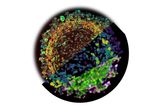
Glioblastoma, a deadly brain tumor, poses significant challenges for surgeons due to its tendency to regrow from small cancerous seeds left behind after attempted removal. The tumor also suppresses the immune system, making it difficult to resist. Researchers at the University of Notre Dame collaborated with astronauts aboard the International Space Station (ISS) to grow glioblastoma and immune cell organoids under microgravity conditions for 40 days.
The results, published in PNAS, showed that organoids grown in space exhibited a more aggressive tumor phenotype compared to those grown on Earth. This conclusion was based on multiomic analysis, which examined genes, proteins, and signals for multicellular communication and interaction. The space-grown organoids also secreted chemicals linked to tumor aggression, such as the immune chemical CXCL12.
Researchers hope that studying space-grown glioblastoma organoids could lead to better understanding and treatment of glioblastoma and other aggressive cancers.
Written by urgent.news from Discover Magazine's reporting — not their text. Machine-written — may contain errors; check the original before relying on it.