Sorge vor Winter: Hunger in Afghanistan: „Die Angst kommt in unser Haus“
Die humanitäre Lage in Afghanistan ist seit Jahren angespannt. Jetzt warnen die Vereinten Nationen vor einer sich zuspitzenden Hungerkrise im Winter. Was berichten die Menschen in Kabul?
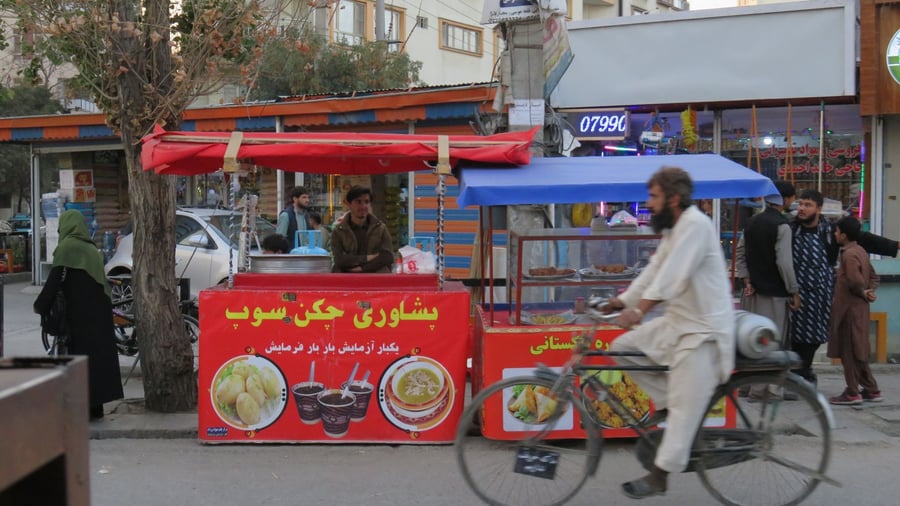
Afghanistan faces a looming winter hunger crisis, according to the United Nations. This concern stems from several factors, including increased tensions between Afghanistan and Pakistan, which have led to the return of millions of Afghan refugees. The closure of border crossings due to ongoing conflicts has disrupted an important import route for Afghanistan.
Rising global food prices, further exacerbated by the war in neighboring Iran, have also contributed to the problem. Additionally, international aid funds have been rapidly decreasing as Western governments are reluctant to cooperate with the Taliban government, particularly due to their treatment of women's rights. With dwindling donations, organizations are constantly cutting back on support for Afghans.
Currently, one-third of Afghanistan's population of nearly 49 million faces acute food insecurity, which could rise to 19.2 million people this winter. Rice and flour prices have spiked, making it difficult for many to afford even basic staples. The World Food Programme reports that an unskilled laborer in Afghanistan now earns only 300 Afghanis a day, or about four euros, working just two days a week.
In Kabul, a family like Hadschi Safiullah Khan's, where only two sons have jobs, fears the winter will be even more challenging. Safiullah Khan, who now buys only the essentials in a small supermarket, worries about the cost of rice, which has become prohibitively expensive. He and his family are already cutting back on meals, opting for cheaper alternatives and even skipping meals.
"When the wind gets cold, the fear enters our home before winter arrives," he says. Many Afghans, like Safiullah Khan, are struggling to make ends meet, with even their wages not enough to cover the cost of food, rent, and other necessities.
Written by urgent.news from Handelsblatt's reporting — not their text. Machine-written — may contain errors; check the original before relying on it.