Solar panel breakthrough could almost double the efficiency of today's panels
Solar panels have become much more efficient since their infancy, but research breakthroughs show there's still plenty of room for improvement.
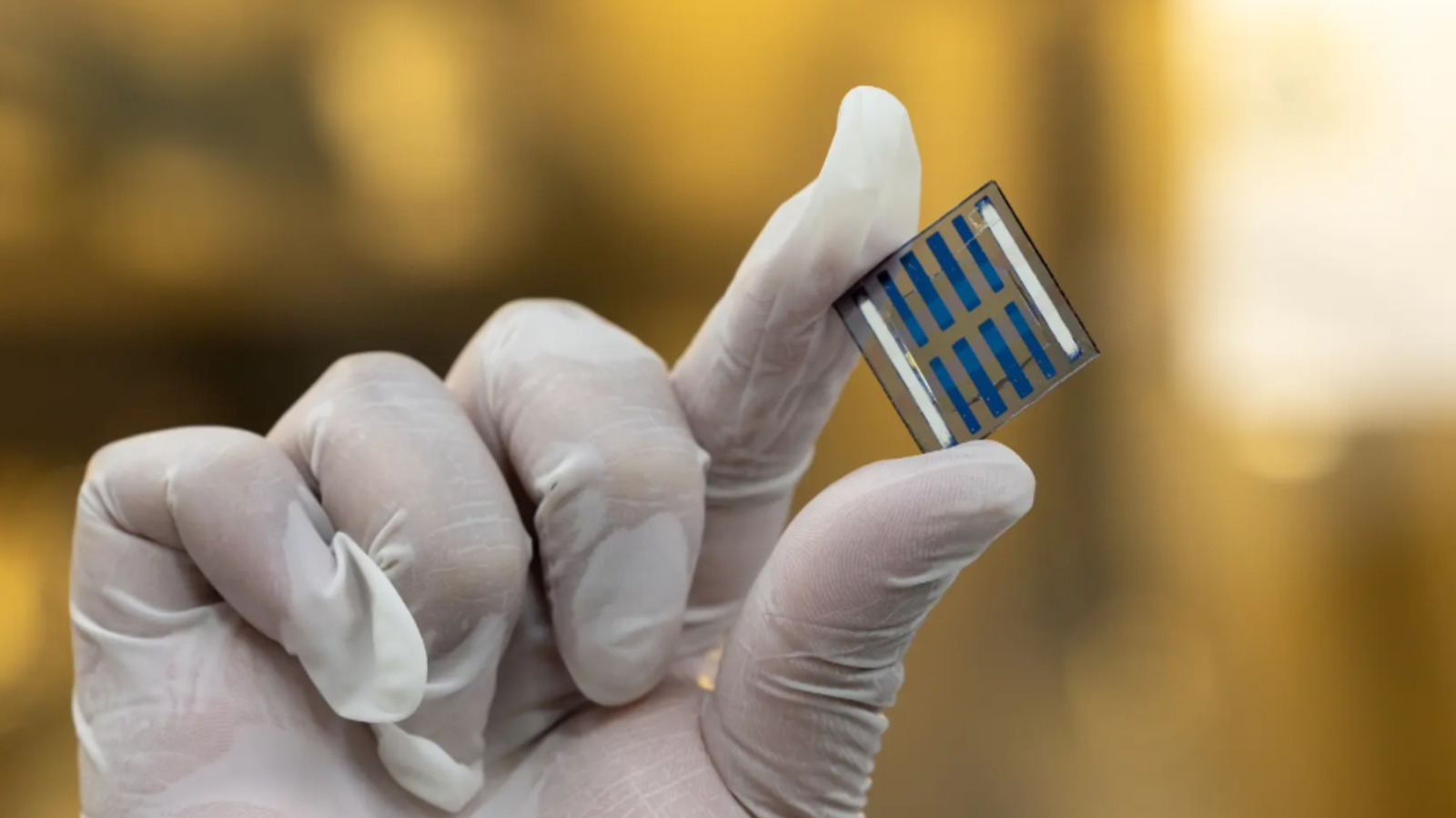
Researchers at the Institut de Ciències Fotòniques (ICFO) have discovered a novel approach to designing solar panels that could nearly double their current efficiency. While previous studies have focused on reducing heat loss, ICFO's research addresses another limiting factor: Boltzmann loss, or the energy lost through the light panels emit.
This new method could potentially boost panel efficiency from the current theoretical limit of 33.16 percent to approximately 43 percent. If this breakthrough becomes a reality, it could have significant repercussions for consumer solar panels, which currently perform at 20 to 23 percent efficiency. The ICFO team's approach involves addressing the mismatch between a panel's narrow sunlight absorption and wider emission cones.
They created an organic solar cell with a thin silver electrode and converted it into an optical cavity, which emitted less light at wide angles. This modification improved the cell's efficiency by around 0.85 percent, demonstrating that narrowing the emission cone could push solar cell efficiencies close to the theoretical limit.
Although the improvement may seem modest, it provides evidence that pushing efficiency past the theoretical limit is possible. Dr. Francisco Bernal Texca, the study's first author, noted that the underlying principle could apply to various photovoltaic cells, not just the advanced materials available in a lab setting.
Written by urgent.news from Engadget's reporting — not their text. Machine-written — may contain errors; check the original before relying on it.