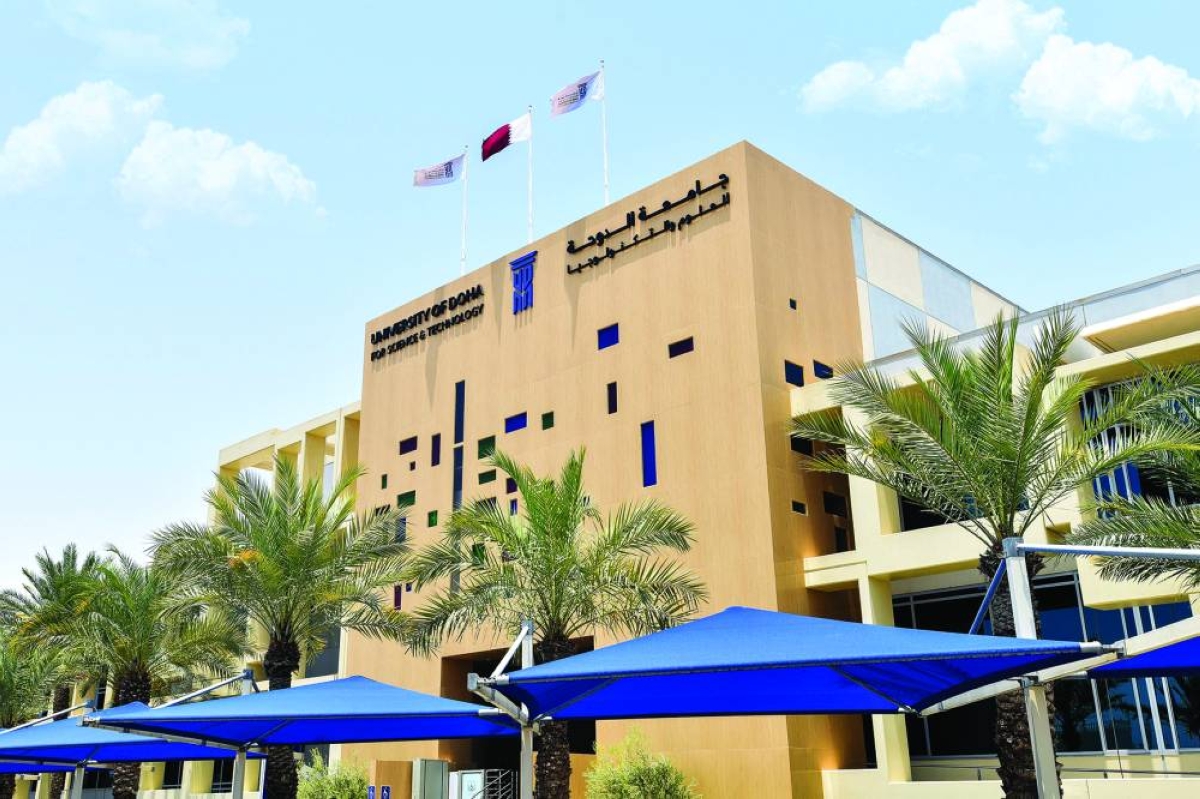
Six UDST academics recognised among 2026 World's Top 2% Scientists List
The University of Doha for Science and Technology (UDST) has announced that six of its academics have been recognised in the 2026 World's Top 2% Scientists List, published by Stanford University ...
Researchers have identified a colossal coral colony measuring over 1.5 kilometers along the outer reef slope of the Cocos (Keeling) Islands, making it one of the largest known coral formations globally. The Pachyseris rose coral, stretching 1.56 kilometers in length, covers approximately 56,940 square meters and resides between depths of 14 and 65 meters.
Local diver Dieter Gerhard initially noticed extensive sections of the coral over three decades ago, but its true extent was only realized through recent mapping efforts led by Dr. JP Hobbs from Adelaide University. Collaborating with researchers from the Queensland Museum and James Cook University, Hobbs spent 12 dives mapping the coral, using GPS to track his progress.
The coral's average width spans 36.5 meters, covering an area of 56,940 m²—equivalent to more than three MCG playing fields. Additional sections extend an extra 200 to 300 meters beyond the main colony. Scientists are now conducting genetic tests to determine whether the colony is a single organism or multiple fused sections. This discovery sheds new light on the unique coral communities inhabiting Australia's remote marine environments.
Written by urgent.news from Phys.org's reporting — not their text. Machine-written — may contain errors; check the original before relying on it.
This story
This is one outlet's version. Read the fullest account.