PMI Kenya champions skills development to prepare next generation of project leaders
Kenya needs an additional 79,000 to 102,000 project management professionals by 2035 to meet growing demand across its economy, underscoring the urgency of investing in skills development, professional training and leadership capacity. According to the Project Management Institute’s (PMI) 2025 Global Project Management Talent Gap report, Kenya’s project professional workforce will need to grow…
Kenya anticipates a significant need for 79,000 to 102,000 additional project management professionals by 2035 to keep pace with growing sector demands. The Project Management Institute (PMI) reports that the country's workforce of around 150,000 project professionals must expand to between 223,000 and 247,000 over the next decade. This surge in demand is evident across infrastructure, construction, technology, manufacturing and other key economic areas.
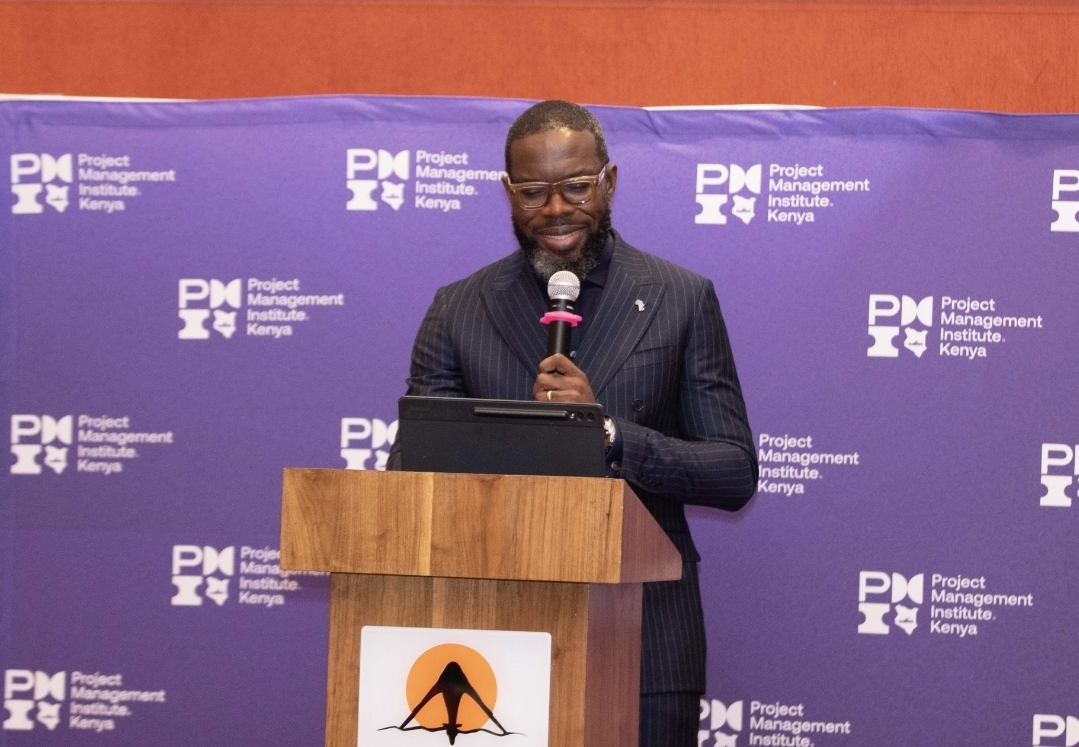
The PMI Kenya Summit and Gala Awards 2026, held in Nairobi, underscored the critical role of project management in translating strategic ambitions into tangible results. As Africa accelerates its development agenda, the institute emphasizes the need for skilled, ethical and accountable professionals to ensure investments generate sustainable impact.
George Asamani, PMI Sub-Saharan Africa Managing Director, stressed that project management is essential for turning ambitions into deliverable outcomes, especially as the region faces challenges in planning, governance, oversight and execution.
Maureen Ochang, President of the PMI Kenya Chapter, highlighted the opportunity presented by the rising demand to bolster Kenya's talent pipeline, particularly among young professionals. She stressed that project management is vital for organizations to deliver transformation, manage investments and achieve strategic goals. This growth necessitates a deliberate focus on developing the necessary skills, competencies and leadership capabilities to meet the increasing demand.
The Summit celebrated the accomplishments of the PMI Kenya Chapter and the broader professional community, recognizing outstanding individuals and organizations. By honoring excellence and innovation, the event aimed to strengthen a community committed to advancing project management standards and creating lasting impact. The growing demand for project professionals extends beyond Kenya, with PMI projecting that Sub-Saharan Africa will need between 4.1 million and 4.6 million professionals by 2035, a growth of 56 to 75 percent from 2.6 million in 2025.
The World Economic Forum's Future of Jobs Report 2025 identifies project managers among occupations that will drive employment growth through 2030, while also noting that 39 percent of workers' skills will change or become obsolete by that year, and 63 percent of employers face skills gaps as a major obstacle to business transformation.
To prepare the next generation of project leaders, Ochang emphasized the importance of collaboration between professional associations, universities, employers and industry. Mentorship, practical learning and internationally recognized certifications are crucial in aligning education and professional development with emerging industry needs.
Through these efforts, PMI Kenya remains dedicated to strengthening the profession, supporting projects that deliver measurable value, improve lives and contribute to sustainable national and regional development.
Written by urgent.news from KBC's reporting — not their text. Machine-written — may contain errors; check the original before relying on it.