OPINION | The aftermath of local elections 2026
Deluge of new local coalitions in the making – South Africa in the aftermath of LGE 2026
South Africa is set to initiate an unprecedented process of negotiations to establish coalition-based local municipal governments. This change will affect over half of the 213 councils that were elected in the recent local government elections held on November 6, 2026. Currently, there are 121 councils requiring multiparty, coalition governments, with estimates suggesting this number could increase to 150.
Metropolitan municipalities, which were previously dominated by the African National Congress (ANC), will also establish coalitions, including the previously ANC stronghold metro municipalities of Buffalo City in Eastern Cape and Mangaung in Free State.
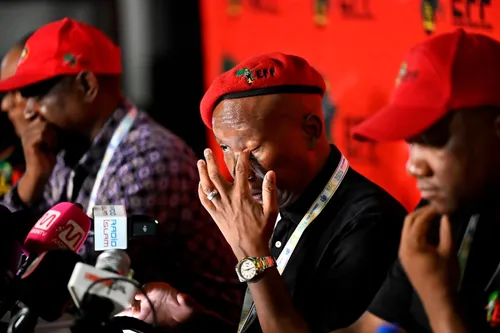
The elections have had a significant impact on South African politics, pushing the ANC out of positions of sole political power in multiple local political power centers across the country. Other main political parties, such as the Democratic Alliance (DA), uMkhonto weSizwe (MKP), South African Communist Party (SACP), United Democratic Movement (UDM), and ActionSA, have taken substantial portions of the previous ANC support.
This shift in power dynamics signals a major setback for the ANC, with the party conceding control of nearly 50 local municipalities out of the 105 it previously held.
South African voters expressed dissatisfaction with the ANC's handling of basic services, promises of future improvements, and attempts to work with communities. This shift in voter sentiment has led many to turn to alternative political options for better governance. Despite the severe reduction in ANC power, the party still controls a significant number of local municipalities, though not as extensively as before.
The DA emerged as a strong challenger, winning 12 councils with outright majorities, while the MKP secured three local municipalities.
As political parties navigate the complex process of forming coalition governments, the focus will be on relative party standings, seat totals, and perceptions of future growth trajectories. Many parties are cautious in their initial moves, leaving room for potential new partnerships and arrangements that may not sacrifice ideological purity. The multitudes of smaller parties, which won a few seats in the elections, hope to play a kingmaking role in the coalition formation process.
Written by urgent.news from SABC News's reporting — not their text. Machine-written — may contain errors; check the original before relying on it.