Only 18% of African countries have dedicated domestic funding for health information systems – WHO official
Only 18 per cent of countries in the World Health Organisation’s African Region have dedicated domestic funding for their health information systems, raising concerns about the sustainability of the data infrastructure used to guide health planning and service delivery. The figure was disclosed by Dr Benson Droti, Team Lead for Health Information, Knowledge Management, Digital […]
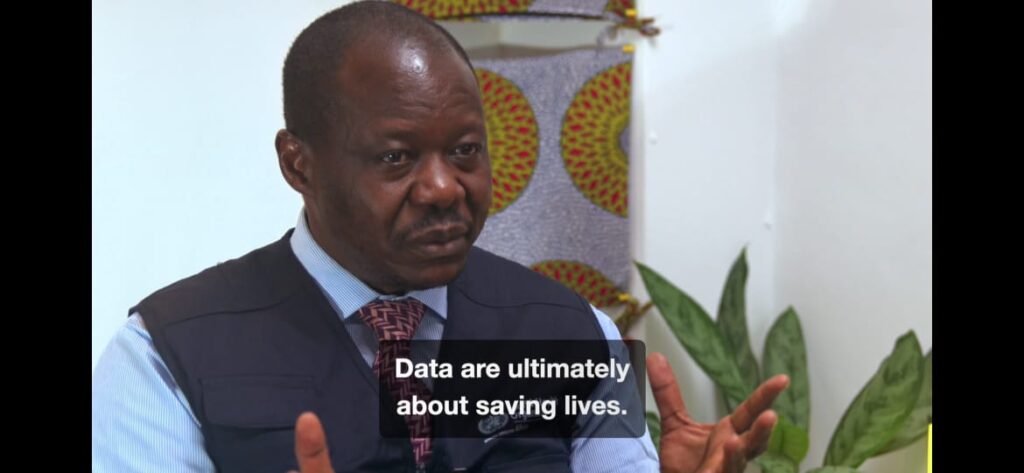
A mere 18% of African nations possess dedicated domestic funding to support their health information systems, prompting concerns about the long-term viability of the data infrastructure utilized for health planning and service delivery, according to Dr Benson Droti, Team Lead for Health Information, Knowledge Management, Digital Health and Artificial Intelligence at the WHO Regional Office for Africa.
Droti revealed this statistic in an interview with JoyNews Mahmud Mohammed-Nurudeen prior to the First Africa Health Data Forum, set to take place in Nairobi, Kenya, from November 10 to 12, 2026. The recent Regional Health Information Systems Functionality Assessment conducted by Droti's team identified financing as one of the primary weaknesses in health information systems across African countries.
"Only 18% of the countries have dedicated domestic funding for health information system," Dr Droti emphasized, cautioning that those reliant on external development assistance for maintenance could face significant disruptions if donor support diminishes or ceases. He cited recent reductions in external development assistance leading to the collapse of donor-dependent systems in several African countries.
This raises questions about how governments are financing health data collection, who maintains the necessary infrastructure, and whether countries can sustain essential data services without external funding. The funding issue intersects with the broader challenge of fragmented health information systems, many of which consist of separate programmes operating independently and lacking interoperability.
Dr Droti noted that some health programmes developed their own information systems due to donor reporting requirements, leading to different technologies and a lack of common standards that hinder information exchange. Central government coordination is also lacking, allowing some programmes to establish systems outside national health information frameworks.
As a result, health workers may be required to submit identical information to multiple authorities, increasing their administrative burden. Integrated systems, according to Droti, should enable various platforms to communicate seamlessly rather than mandating a single system for every country. Such integrations can impact healthcare delivery, as seen in scenarios where facilities run out of essential medicines due to outdated stock information or delayed reporting of rising malaria cases, potentially delaying national responses.
Weak information systems can also affect resource distribution, particularly if decision-makers lack the necessary data to identify where services and supplies are most urgently needed. Dr Droti urged African governments to incorporate health information systems into national plans and budgets to mitigate risks associated with dependence on development partners for funding.
The First Africa Health Data Forum, scheduled for November 10-12, 2026, in Nairobi, Kenya, will address these concerns, bringing together governments, WHO, development partners, technical institutions, academia, civil society, and private-sector organizations to discuss country priorities and practical solutions for strengthening health data systems.
The forum will cover data governance, interoperability, data analysis and use, artificial intelligence, emerging technologies, and investment in Africa's health data future. Dr Droti highlighted the WHO Regional Office for Africa's development of a Regional Health Data Hub to enhance access to health data and intelligence for informed decision-making, cautioning against the adoption of artificial intelligence applications without robust data foundations, electricity, internet connectivity, skilled personnel, and appropriate governance.
He emphasized the importance of assessing the suitability of AI applications developed elsewhere in African contexts, considering factors such as language differences and disease patterns.
Written by urgent.news from MyJoyOnline Ghana's reporting — not their text. Machine-written — may contain errors; check the original before relying on it.