Medical Superintendents call for stronger emergency care to tackle no-bed syndrome
The Medical Superintendents Group is calling for an expansion of emergency and critical care facilities, alongside improvements in hospital referral systems, to address Ghana's persistent no-bed syndrome. The group says tackling the problem will require political commitment, sustainable financing and stronger collaboration among healthcare institutions. Speaking at the 68th Annual General…
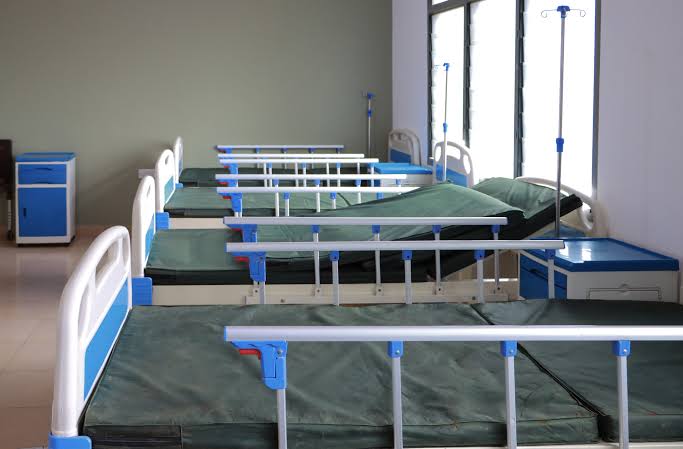
The Medical Superintendents Group is urging for enhanced emergency and critical care facilities, alongside enhancements in hospital referral systems, to tackle Ghana's ongoing no-bed syndrome. The group asserts that addressing this issue necessitates political commitment, sustainable financing, and improved collaboration among healthcare institutions.
At the 68th Annual General Conference of the Ghana Medical Association (GMA), a group representative emphasized that hospital managers are acutely aware of the challenges posed by the no-bed syndrome. "Where we sit, we experience, firsthand, all the challenges associated with the no-bed syndrome," the representative stated.
The group is advocating for a robust National Ambulance Service, better pre-hospital emergency care, and real-time bed management systems to enable hospitals to respond more adeptly to emergencies. Additionally, they are calling for a more equitable distribution of skilled emergency healthcare personnel and effective public-private partnerships to broaden access to emergency services.
The representative underlined that individual hospitals and medical practitioners cannot resolve the no-bed syndrome without broader institutional and government support. "The no-bed syndrome, as we know, cannot be addressed by individual hospitals, nor by doctors alone. It requires a strong political commitment," the representative affirmed.
The group believes that the proposed measures would bolster emergency response and diminish fatalities resulting from delays in receiving medical treatment. Their ultimate objective is to ensure that no Ghanaian dies due to the absence of a hospital bed, an ambulance, or timely emergency care.
Written by urgent.news from MyJoyOnline Ghana's reporting — not their text. Machine-written — may contain errors; check the original before relying on it.